Does homeowners insurance cover sewer line replacement?
Usually not for the failures Philadelphia homeowners actually meet. Standard homeowners policies generally exclude sewer line replacement needed because of age, wear, root intrusion, settling, or collapse from deterioration. Coverage more often applies to sudden accidental damage, and optional service-line endorsements can fill the gap, so the exact answer sits in your own policy language.
- Direct answer
- 2 min read
The covered-versus-excluded line follows the sudden-versus-gradual distinction most policies use. A sewer lateral crushed by a contractor digging next door, ruptured by a vehicle driving over a shallow courtyard run, or damaged by a specific sudden event is the kind of accidental direct damage standard policies are built to address, subject to deductibles and limits. Everything gradual is typically excluded: cast iron thinning from the inside over decades, clay joints shifting with freeze-thaw heave, root hair entering those joints year after year, grease and sludge narrowing the bore, bellies deepening as trench soil settles, and Orangeburg fiber pipe softening with age. Insurers read these as maintenance and wear issues rather than insurable accidents. Policies vary by carrier and state form, and endorsements change the picture, so treat this as the general pattern and confirm your own declarations page and exclusions rather than relying on any article.
The product worth knowing about is the service-line endorsement, sometimes sold as buried-utility or underground-service coverage. Many carriers offer it as an inexpensive rider adding a stated limit, commonly in the low thousands to around ten thousand dollars, for repair or replacement of underground lines including sewer laterals, with a modest deductible. Annual premiums are typically small next to the cost of an excavation under a Philadelphia sidewalk corridor, which is exactly the math that makes the rider popular with rowhouse owners. Availability, limits, waiting periods, and exclusions differ, and some forms exclude collapse from age even with the rider, so read the endorsement itself rather than the marketing summary. If you already carry the rider, learn its claim procedure before an emergency; if you do not, ask your agent for the exact form language and compare the annual cost against one avoided excavation.
Documentation decides claims, so build the file before you need it. Keep every camera inspection video with footage marks, depths, and dated findings, plus invoices for clearing and maintenance, because a record showing sudden change against a documented baseline supports sudden-damage claims while a bare assertion invites a wear-and-tear denial. Photograph any excavation and keep the contractor notes on cause and material. Separately, understand the flood-versus-backup distinction that confuses many Philadelphia claims: standard homeowners policies generally exclude flood, meaning rising groundwater and surface stormwater, while backup of sewers and drains is typically excluded too unless a water-backup endorsement was purchased. In a city on combined sewers where cloudbursts fill mains and basements together, knowing which endorsement covers which water path before the storm is the difference between a claim and a lesson. Review both endorsements with your policy in hand.
Want the full picture?
Sewer Repair Cost in Philadelphia: 2026 Guide — Read the full 2026 guide: sewer repair and replacement costs.
Follow-up questions
Will insurance pay if tree roots break my sewer line?
Generally not under a standard policy, because root intrusion is treated as gradual wear rather than sudden damage. A service-line endorsement may respond depending on its terms, which is why reading your own rider language matters more than any general rule.
What records help a sewer line claim succeed?
Dated camera videos with footage marks and depths, maintenance invoices, photos of the failure and excavation, and contractor notes stating the cause and pipe material. A documented baseline plus evidence of sudden change is far stronger than a claim filed with no history.
Services behind this answer
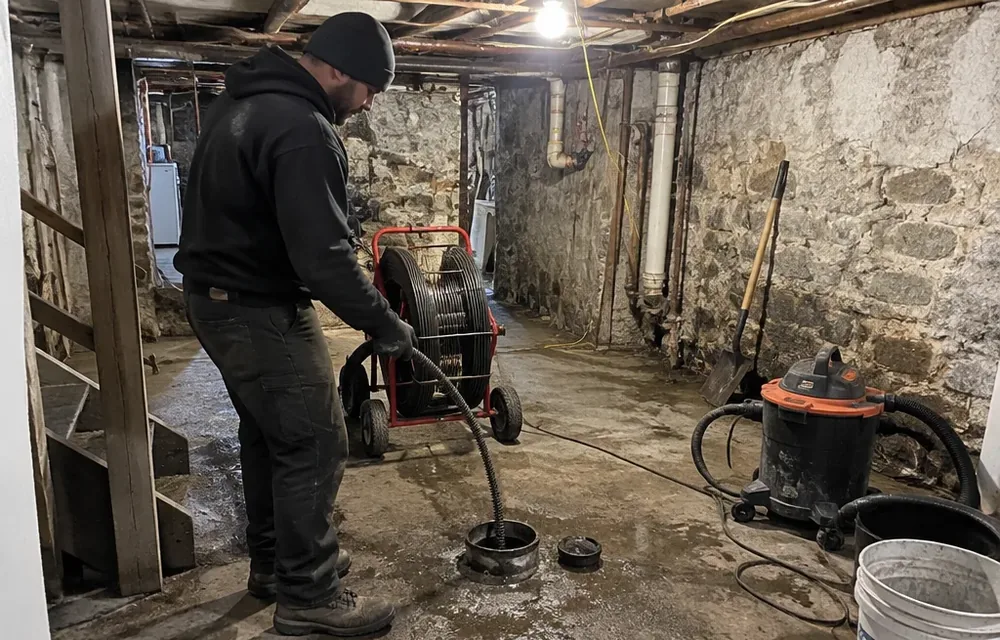
Main Sewer Line Cleaning
The lateral is the most expensive drain you own — a 60-to-100-foot clay run from your rowhouse to the street main, shared with stormwater, hunted by street-tree roots.
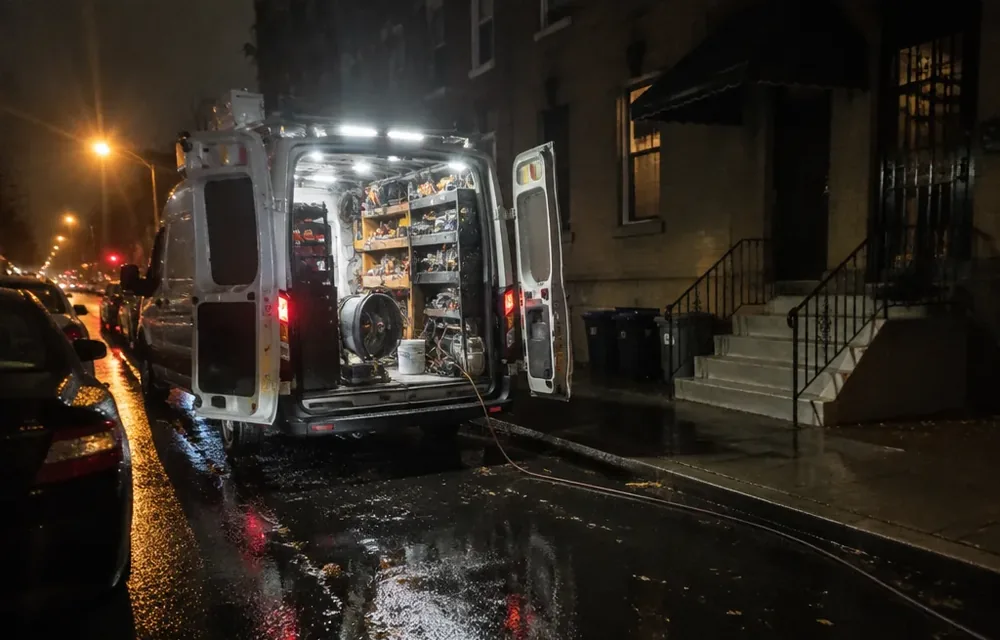
Emergency Drain Service
Sewage on the basement floor does not wait for business hours, and neither do we.