Basement Backups in Philadelphia: Combined Sewers and Storms
When rain and sewage share the same Philadelphia main, a cloudburst can push water backward through the lowest drain in the house. Knowing whether the surge came from the street or from your lateral decides everything that follows.
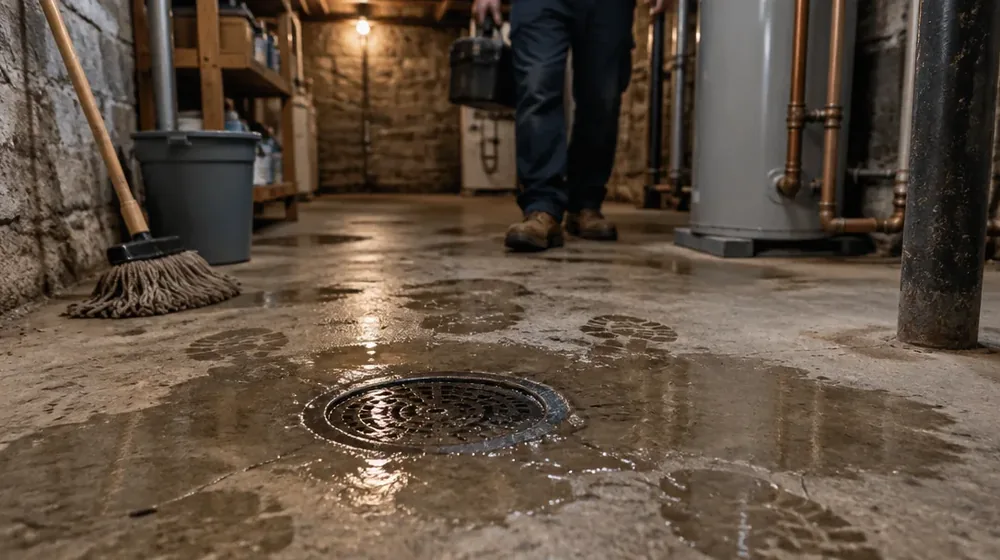
Why Philadelphia basements are first in line during rain
Much of Philadelphia drains through combined sewers that carry sanitary flow and stormwater in the same mains, a nineteenth- and early-twentieth-century design that modern separated systems replaced elsewhere. In dry weather the shared main conveys a modest sanitary trickle with capacity to spare. During a summer cloudburst or a stalled Delaware Valley front, street inlets pour millions of gallons of stormwater into those same mains within minutes, flows rise faster than downstream capacity can accept, and the hydraulic grade line climbs until the lowest connected openings, which are basement floor drains, laundry standpipes, and low shower traps in rowhouses, become relief points.
Federal EPA combined-sewer-overflow background material describes this wet-weather surcharge as a structural challenge in older American cities, not a maintenance lapse on any single block. Philadelphia has invested heavily in green stormwater infrastructure, inlet controls, and storage to blunt the peaks, and the Philadelphia Water Department publishes guidance on wet-weather behavior and basement protection that homeowners should read before the storm rather than during it. None of those programs changes the physics of the next cloudburst tracking up the Schuylkill or Delaware corridors: the main fills, pressure seeks the lowest opening, and the house with a half-coated lateral or a missing backwater valve absorbs the surge first.
Rowhouse architecture concentrates the exposure. Dense blocks with small footprints push living space into finished basements, laundry and mechanicals sit below street grade, and laterals run short and flat to the combined main with little elevation to resist backpressure. A lateral narrowed by grease, scale, or roots that drains adequately in dry weather becomes the constriction that fails exactly when the main surcharges, which is why wet-weather backups recur at the same addresses while neighboring houses with full-bore laterals and protection hardware stay dry.
Climate trends sharpen the pattern rather than inventing it. Shorter, more intense convective bursts drop more water in less time than the steady rains the combined system was sized around, so surcharge arrives faster and recedes faster, leaving a basement flood with a dry street an hour later. Homeowners who interpret the dry street as proof the problem must be purely private miss half the mechanism; the street drained because the system worked as designed by relieving pressure wherever it could, including through their floor drain.
Street surge or private blockage: telling them apart
| Signal | Points to street surge | Points to private blockage |
|---|---|---|
| Timing | During or just after intense rain | Dry weather, routine water use |
| Neighbors | Multiple homes on the block affected | Only your fixtures, neighbors fine |
| Fixtures | Lowest drain overflows while upper floors drain | Backups track your own water use |
| Sound | Gurgling across fixtures as main pressurizes | Single slow fixture progressing to backup |
| History | Recurs with storms despite clear lateral | Recurs on schedule regardless of weather |
The distinction matters because the responses differ completely. A street surcharge calls for stopping water use, protecting contents, documenting for insurance, and evaluating backwater protection after the water recedes; cabling or jetting during the surge accomplishes nothing while the main remains full and risks releasing a sewage column at the cleanout. A private blockage calls for stopping water use too, but then for clearing the lateral from a proper cleanout and camera-verifying the cause, because the next load of laundry will reproduce the flood regardless of weather.
Mixed cases are common and the most misdiagnosed. A partially coated lateral that passes dry-weather flow fails only when the surcharged main reduces its available head, so the camera shows a genuine private restriction and the timing shows a genuine street contribution. Both halves need addressing: restore full bore with cutting and scouring where the pipe is sound, then add the protection hardware that decouples the basement from the next surcharge. Fixing only the coating guarantees a repeat in the next big storm; installing only the valve leaves a restricted lateral that fails under ordinary load.
The first hour: steps that limit damage and preserve claims
Stop all water use
No flushing, no laundry, no dishwasher. Every gallon added joins water already seeking the lowest drain.
Keep people and pets clear
Sewage carries pathogens. Avoid contact, shut HVAC circulation if returns draw from the affected area.
Shut vulnerable electrics safely
If water nears outlets, panels, or heaters, de-energize from dry ground; never wade to a panel.
Document before touching
Photograph water lines, affected contents, and entry points with timestamps for the insurer.
Call the right parties in order
Active inflow now; the Philadelphia Water Department wet-weather line for street context; your insurer promptly.
Remove cleanly after recession
Porous contents discard; hard surfaces disinfect; dry aggressively to deny mold its window.
Do not open a cleanout cap against an actively surcharging line to relieve pressure, and do not run clears or chemical products into standing sewage. Opening the cap releases the held-back column into the basement, chemicals mix with pathogens without clearing anything, and energized equipment in standing water is a lethal combination. The first hour rewards restraint, documentation, and dry-ground decisions in that order.
Insurance documentation deserves emphasis because combined-system backups occupy a coverage gap many homeowners discover too late. Standard homeowner policies commonly exclude sewer backup without a specific endorsement, and the endorsement carries its own limit that a finished-basement loss can exceed. Photographs with timestamps, a written timeline of rain and inflow, Philadelphia Water Department reference numbers where applicable, and preserved receipts for mitigation all support the claim that does exist rather than the coverage assumed.
Backwater valves, standpipes, and overhead sewers explained
A backwater valve is a one-way gate on the lateral that permits flow out to the main while closing against reverse flow during surcharge. Installed in an accessible chamber with a normally open flapper that seats when the main pushes back, it is the standard decoupling device for Philadelphia basements with below-grade fixtures. Sizing, placement relative to fixtures, and accessibility for inspection and cleaning all follow the Philadelphia Plumbing Code, and the device requires periodic verification that the flapper seats freely rather than jamming on debris at the worst moment.
Standpipes and fixture elevation are simpler companions. Extending a basement laundry standpipe or capping a rarely used low shower raises the relief elevation so minor surcharges never reach living space, at the cost of convenience rather than capital. Overhead or pumped ejections go further, lifting basement sanitary flow above the surcharge grade so the basement is hydraulically disconnected from the main entirely; the investment suits finished basements and rental units where even one backup exceeds the conversion cost.
No device substitutes for a full-bore lateral. A backwater valve on a grease-throttled line protects against the street while the household floods itself from its own discharge, and a valve jammed with grease or scale fails exactly when called upon. The competent sequence restores the lateral to full diameter with camera proof first, then installs and commissions the protection hardware, then logs both so future service addresses the right half of the system without guessing.
Sump systems belong in the same conversation with a clear separation of duties. Foundation drainage and stormwater sumps handle groundwater and seepage, while sanitary backwater hardware handles the combined main; cross-connecting them routes sewage where it must never go and violates code separation. Philadelphia homes with both systems should be able to state which pump serves which water, with check valves and discharge points verified before storm season rather than during it.
Cleanup, drying, and what not to keep
Sewage cleanup is a health procedure before it is a property procedure. Porous contents including carpet and pad, upholstered furniture, mattresses, stuffed toys, and saturated drywall have no reliable decontamination path and should be documented, bagged, and discarded rather than salvaged. Hard surfaces can be cleaned and disinfected with appropriate products, but the sequence matters: remove the water and solids first, clean visible soil second, disinfect third, and dry aggressively throughout, because disinfectant applied over organic soil disinfects the soil rather than the surface.
Drying decides whether the backup becomes a mold project as well. Dehumidification with contained airflow, removal of wet baseboards and lower drywall sections to expose the cavity, and moisture-meter verification that framing reads dry before closure are the steps that separate professional mitigation from a cosmetic wipe. Philadelphia freeze-thaw humidity and tight rowhouse air circulation extend drying times in winter, so winter backups need longer equipment runs rather than shorter patience.
Mechanical systems exposed to sewage need professional judgment rather than air-drying optimism. Furnace returns, water heater bases, laundry motors, and electrical devices that stood in contaminated water may harbor internal contamination or compromised insulation that surface cleaning cannot reach. Photograph nameplates, consult the insurer, and obtain written assessments before re-energizing equipment that the water touched.
After the water recedes: diagnosis in the right order
Once the main has receded and the basement is stabilized, diagnose the private half deliberately. A camera run from a proper cleanout to the main shows whether grease, roots, scale, a belly, or an offset contributed, with footage marks logging every defect for the record. Where the line proves coated but sound, cutting plus scouring jetting restores the bore the storm demanded; where it proves defective, the repair figure for the segment should be priced alongside the maintenance interval so the household chooses with the storm memory fresh rather than fading.
Coordinate with the street half through records rather than assumptions. Note the storm timing, whether neighbors flooded, any Philadelphia Water Department advisories or surcharge confirmations, and the elevation of inflow relative to fixtures. That file supports both the insurance conversation and the engineering conversation about valve sizing and placement, and it prevents the common outcome where each side attributes the whole event to the other and nothing is improved before the next cell tracks upriver.
Renters and landlords face an additional duty layer worth stating plainly. Below-grade rental units in combined-sewer blocks carry foreseeable wet-weather exposure, and protection hardware plus documented lateral condition are the defenses that matter when a tenant basement floods during a cloudburst. Disclosure, maintenance logs, and prompt mitigation are cheaper than every alternative once water has entered a rented bedroom.
Preparing before the next storm instead of after it
Preparation is a seasonal checklist rather than a project. Prove full-bore lateral capacity with a camera and a load test before the convective season, verify the backwater flapper seats and the chamber is clear of debris, confirm sump pumps cycle with alarms audible, raise or relocate irreplaceable contents above the last high-water line, and keep the insurer endorsement, the Philadelphia Water Department contact path, and a mitigation contact in one accessible place. Each item takes minutes in dry weather and hours or days once water is rising.
Longer-term, align the house with the system it inhabits. Where green stormwater infrastructure, downspout disconnection, or grading improvements reduce the stormwater the property contributes to the combined main, pursue them; the Philadelphia Water Department encourages parcel-level stormwater management precisely because aggregated small reductions blunt the surcharge peaks that flood basements. The rowhouse that sheds less stormwater and resists more surcharge is the one that stays dry while the block learns the lesson again.
Related reading carries the two halves of this guide: basement floor drain cleaning for the private lateral work and storm drain and catch basin cleaning for the stormwater half that feeds the same mains. The backup arrives through one drain but originates in both systems, and preparation that addresses only one is preparation for half a storm.
Frequently asked questions
Why does my Philadelphia basement flood only when it rains?
Because the combined main surcharges during intense rain and seeks the lowest opening, which is your basement drain. A narrowed lateral, missing backwater protection, or both turns a street surge into a house flood. Dry-weather-only backups instead point to a private blockage.
Will hydro jetting stop wet-weather backups?
It restores the full bore the storm demands, which prevents the private-contribution half, but hydro jetting cannot stop a surcharged main from pushing back through an unprotected low drain. Sound laterals need both full diameter and backwater hardware where fixtures sit below street grade.
What should I do first when sewage enters the basement?
Stop all water use, keep people and pets clear, avoid energized equipment in water, photograph everything with timestamps, and report promptly. Do not open cleanouts against the surge or pour chemicals into standing sewage.
Does insurance cover sewer backup in Philadelphia?
Standard policies commonly exclude it without a specific backup endorsement carrying its own limit. Check the endorsement and limit before storm season, document inflow meticulously, and preserve mitigation receipts, since finished-basement losses frequently exceed minimum limits.
What is a backwater valve and do I need one?
A one-way gate on the lateral that lets flow out while closing against main surcharge. Below-grade fixtures on combined-sewer blocks are the classic case. It must be sized, placed, and maintained to code with a freely seating flapper, and it never substitutes for a full-bore lateral.
Services mentioned in this guide
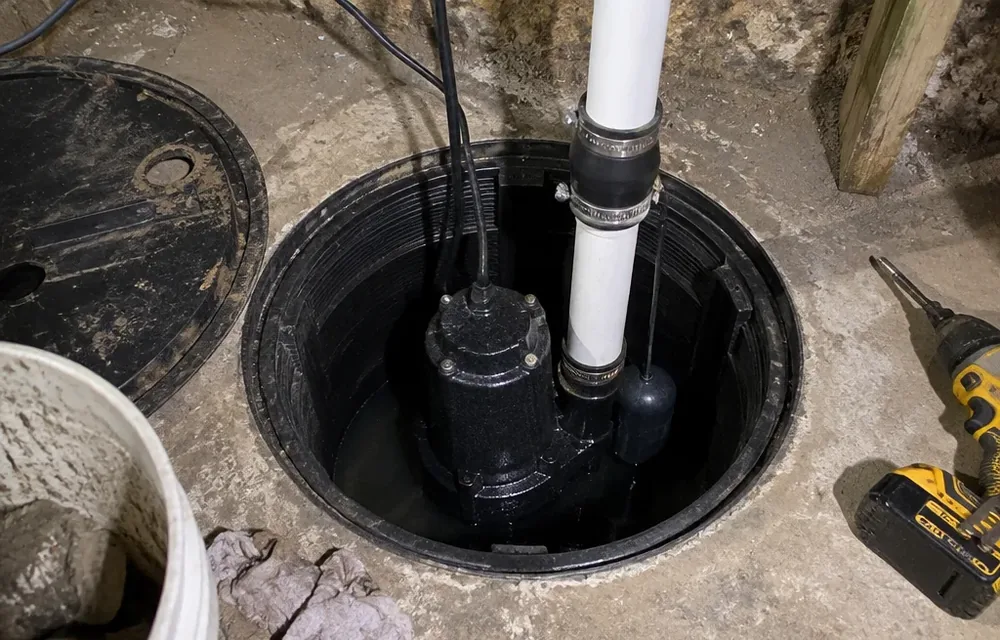
Basement Floor Drain Cleaning
The basement floor drain is the lowest opening in your rowhouse — which makes it the relief valve for every downstream restriction.
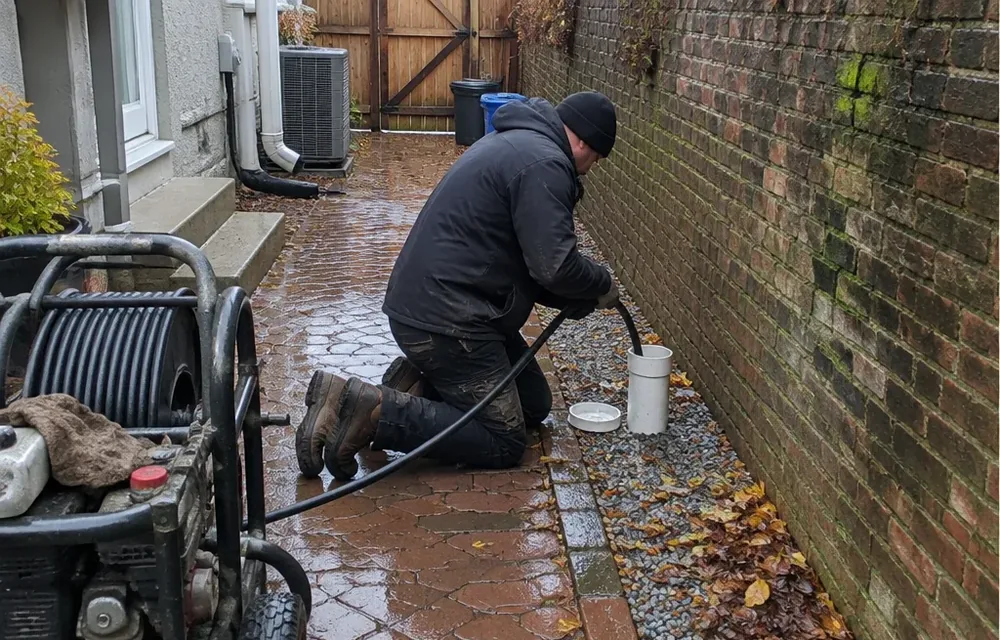
Storm Drain & Catch Basin Cleaning
A flooded loading dock or parking lot is rarely a rain problem.
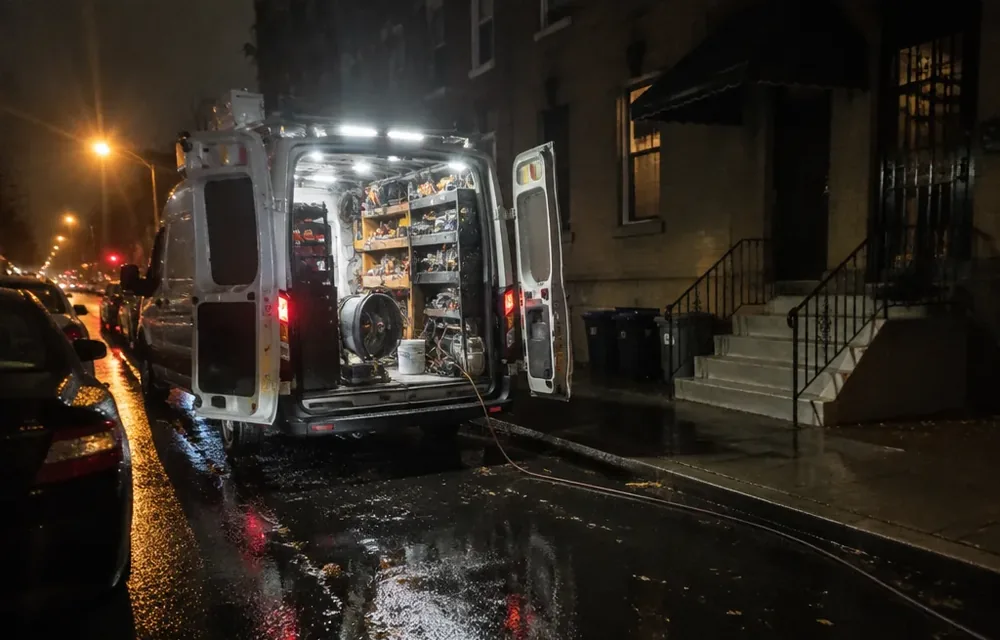
Emergency Drain Service
Sewage on the basement floor does not wait for business hours, and neither do we.
Free tools that help with this exact problem
More guides

How to Check a PA Plumber License in Philly
Verifying license and insurance before work begins takes minutes and is the homeowner responsibility that protects eve…

Winter Freeze Protection for Philly Drains
Philadelphia winters rarely freeze a buried lateral, yet every year they burst exposed pipes, heave cleanout risers, a…
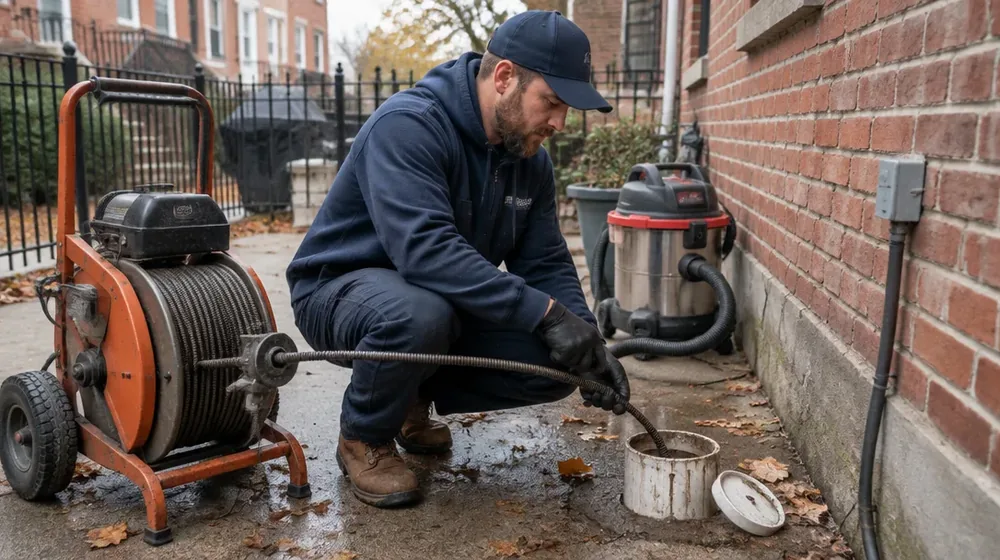
How to Unclog a Main Sewer Line Safely in Philly
When a main sewer line blocks, every drain in the house shares one failing exit. Safe homeowner triage means stopping …
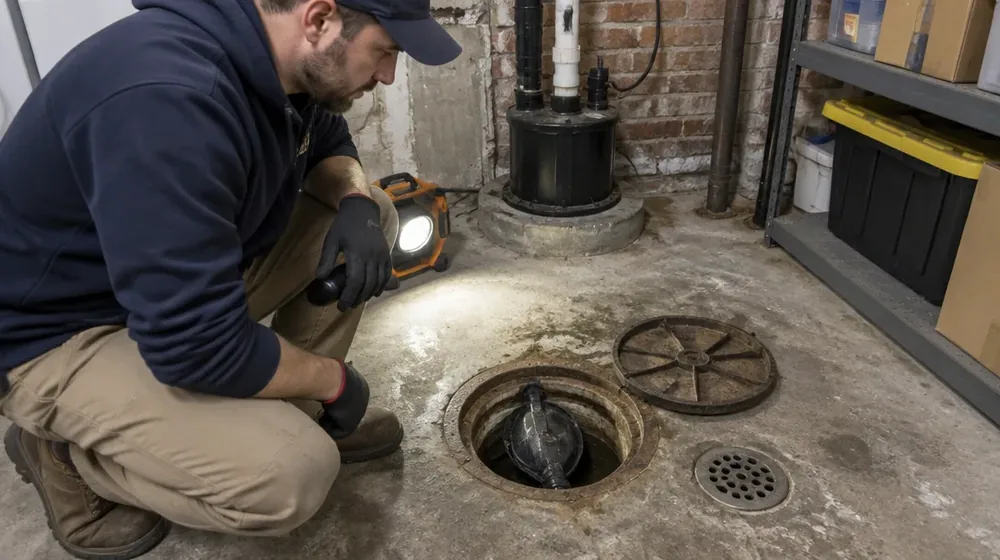
How to Prevent Basement Backup in Philadelphia
Prevention on a combined-sewer block means giving surcharge water no low opening to use and giving your own discharge …