Drain cleaning and sewer service in Ardmore, Pennsylvania
Ardmore is Main Line core — Lower Merion and Haverford Townships around Suburban Square, Lancaster Avenue, and the Ardmore Junction corridor — where 1900–1930 stone colonials, Dutch colonials, and twins sit on deep lots under a commanding oak and beech canopy. Drains here are high-stakes versions of the standard Main Line pattern: vitrified clay tile laterals with mortared joints now 90-plus years old, cast iron stacks inside, and roots from specimen trees at every hub. Deep setbacks mean long laterals, and long laterals with five or six root entries are lining jobs, not spot-repair jobs, because any excavation must cross lawns, walls, and mature plantings that cost dearly to restore.
- Montgomery County
- Montgomery County
- Same-day and 24/7
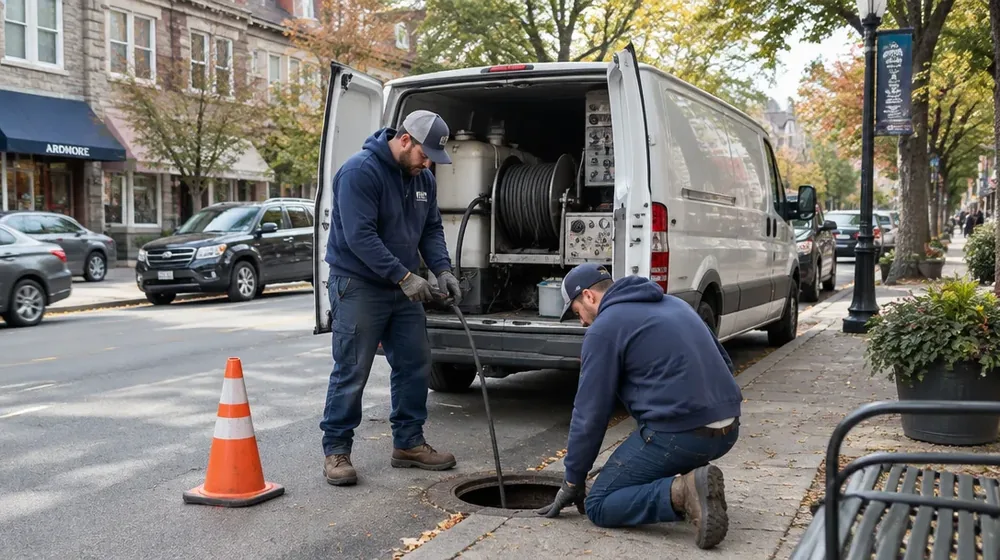
Ardmore at a glance
County: Montgomery County · Area: Montgomery County · Neighborhoods covered: 8 · Response: scheduled visits; 24/7 for active backups
Pipes you will find here: Vitrified clay tile on most pre-1940 laterals, cast iron interior and stack lines in nearly all the pre-war stock, PVC/ABS only on replacements and newer townhouse infill.
What goes wrong with Ardmore plumbing
Long stone-colonial laterals, roots at every hub
Ardmore’s deep Main Line setbacks stretch clay laterals 60 to 100 feet under lawns and specimen trees from Lancaster Avenue to Haverford Road. Camera runs routinely show intrusion at four or more joints, and excavating that length through walls and plantings dwarfs the cost of trenchless lining that seals the whole run with two small pits.
Cast iron stacks in 1920s colonials
Whole-house slow drainage in South Ardmore and Ardmore Park colonials that returns weeks after cabling is textbook cast iron invert corrosion. The scaled interior catches everything, and each clearing thins the wall further. A camera grade of wall loss decides between jetting maintenance and lining.
High-value surface restoration arithmetic
Flagstone walks, fieldstone walls, and mature specimen plantings are standard on Ardmore lots, and restoring them after open trench frequently costs more than the pipe work itself. That restoration math is why trenchless options consistently win here even where excavation is technically feasible.
Housing stock and pipe materials
Housing: Predominantly 1900–1930 stone colonials, twins, and Dutch colonials around South Ardmore, Ardmore Park, and Merion, with 1940s–1950s brick infill and garden apartments toward Wynnewood and Haverford.
Likely pipe materials: Vitrified clay tile on most pre-1940 laterals, cast iron interior and stack lines in nearly all the pre-war stock, PVC/ABS only on replacements and newer townhouse infill.
Who is responsible for the pipe in Ardmore
In most Philadelphia-area jurisdictions the property owner is responsible for the sewer lateral from the building to the connection at the public main — including the portion running under the street. The exact split differs by city, so confirm yours with Ardmore's public works or wastewater department before assuming any of it is theirs.
Two things worth checking before you pay for anything: whether the city runs a lateral repair assistance or low-interest loan program, and whether your homeowner's policy carries a service line endorsement.
Where we work in and around Ardmore
Within Ardmore we cover Suburban Square district, South Ardmore, Ardmore Park, Merion edge, Wynnewood border, Haverford border, Ardmore Junction, Lancaster Avenue corridor and the surrounding area. Same-day drain cleaning and rooter service is usually available across Ardmore, and dispatch runs around the clock for an active backup.
Nearby cities we also serve
What we do in Ardmore
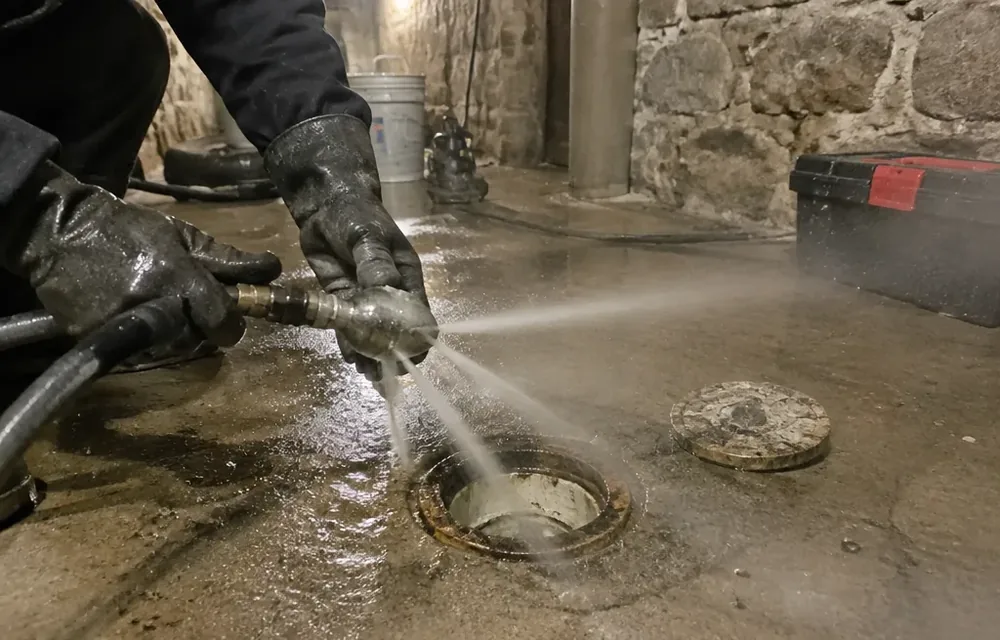
Hydro Jetting
A cable bores a hole through the clog.
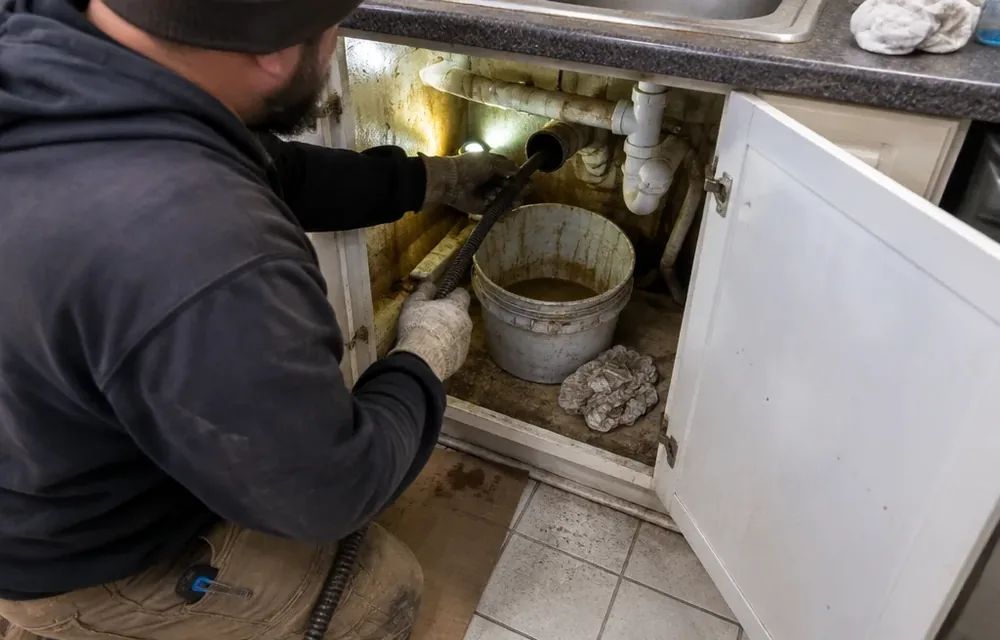
Drain Cleaning
A single slow sink is a nuisance.
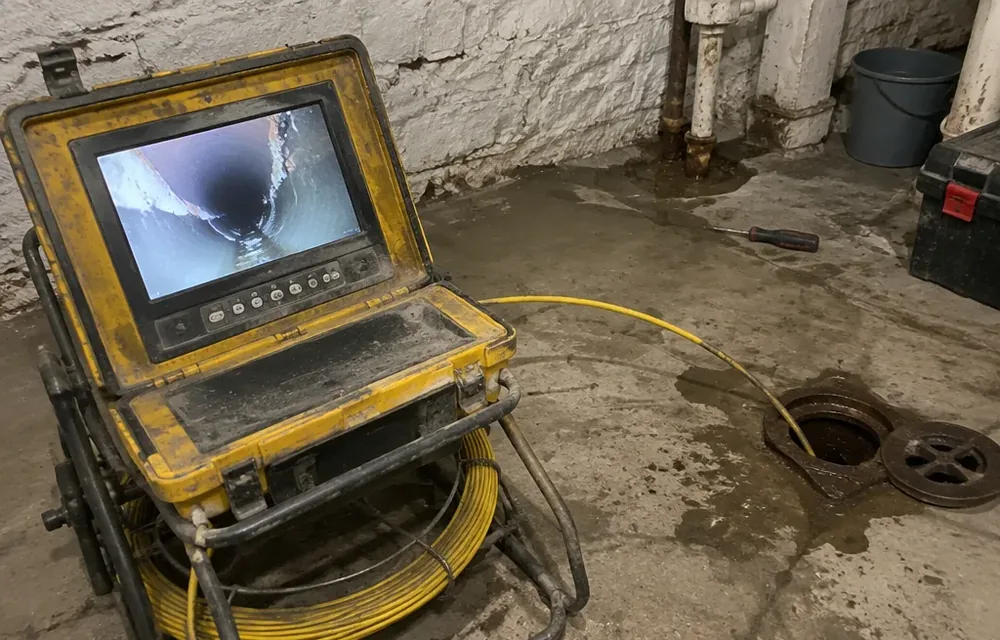
Sewer Camera Inspection
Every expensive sewer decision in Philadelphia — jet, repair, line, replace — depends on one thing: what the pipe actually looks like inside.
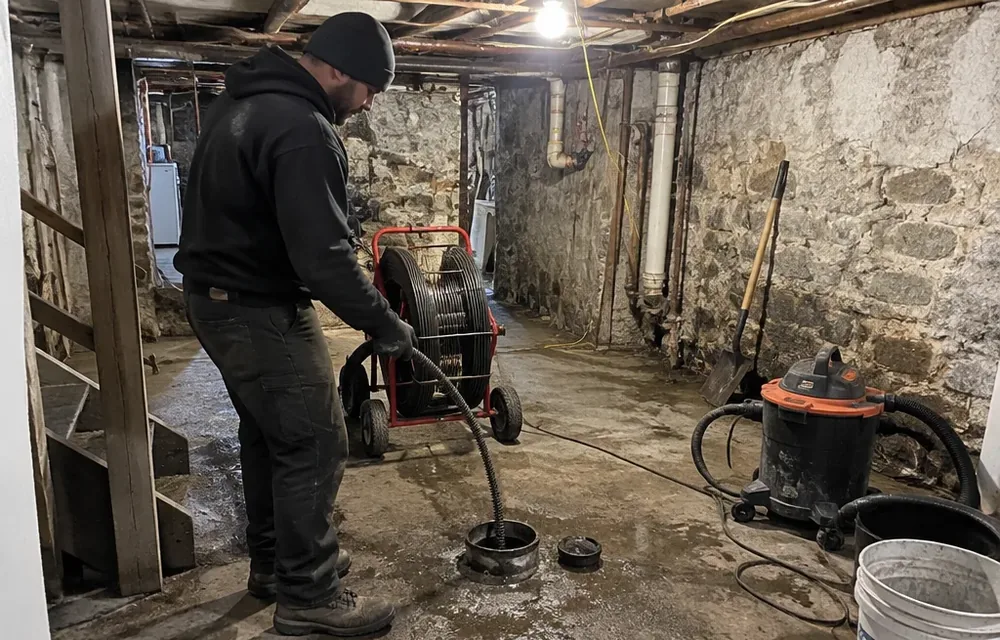
Main Sewer Line Cleaning
The lateral is the most expensive drain you own — a 60-to-100-foot clay run from your rowhouse to the street main, shared with stormwater, hunted by street-tree roots.
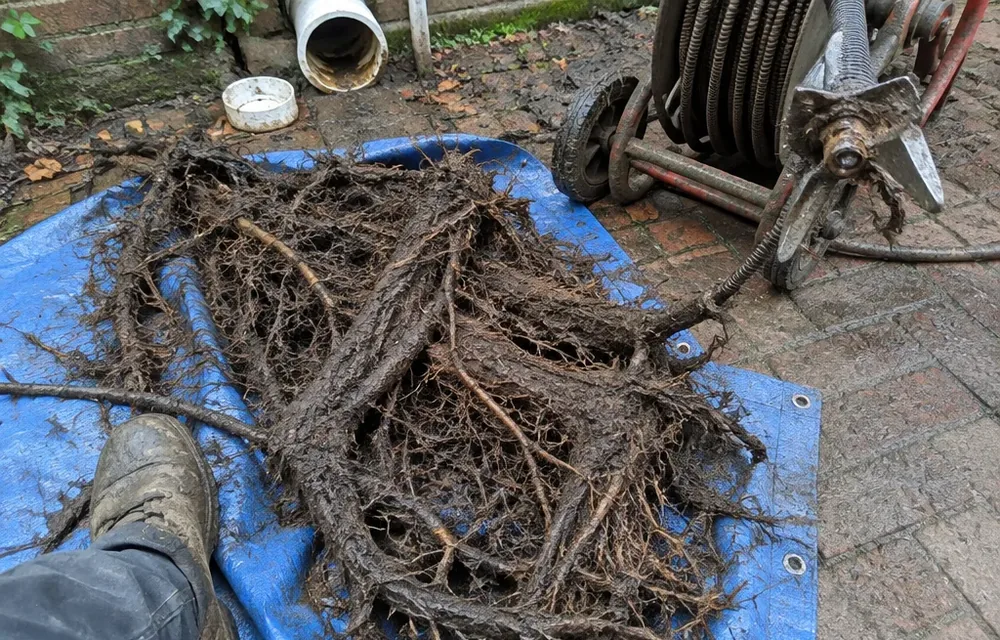
Rooter Service
Roots do not break your pipe to get in.
Kitchen Grease Line Jetting
Grease is the one clog material a cable cannot fix.
Bathroom Drain Cleaning
Bathroom clogs are almost never mysterious: hair, soap scum and toothpaste solids, wrapping around cast iron scale in a century-old branch arm.
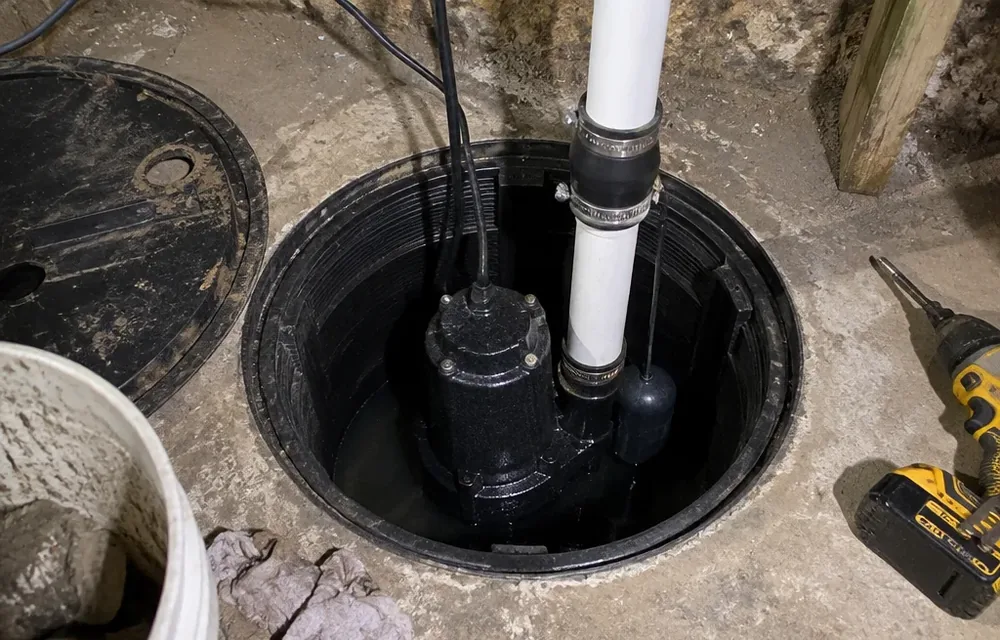
Basement Floor Drain Cleaning
The basement floor drain is the lowest opening in your rowhouse — which makes it the relief valve for every downstream restriction.
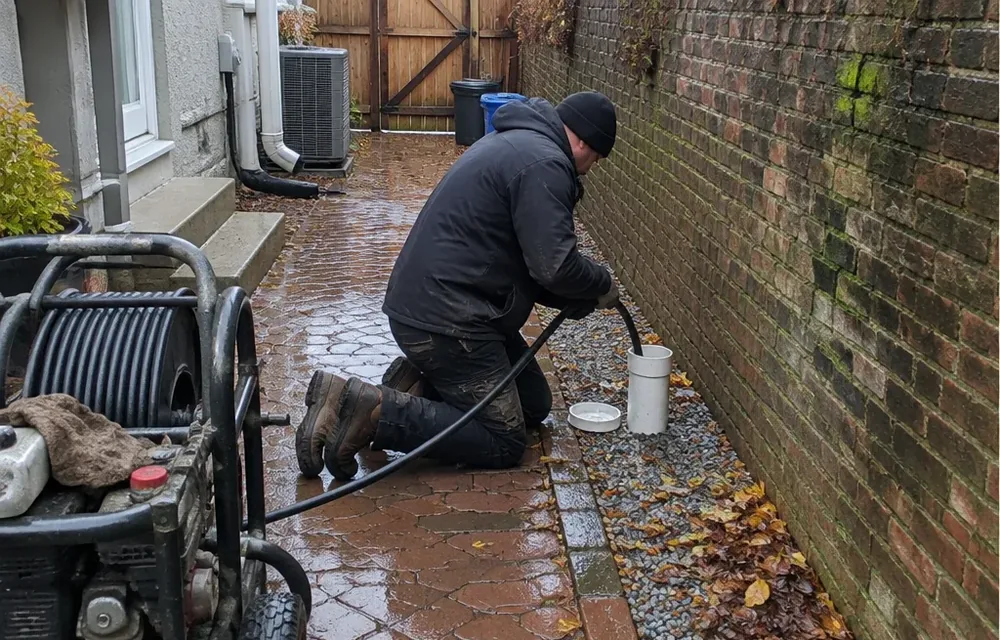
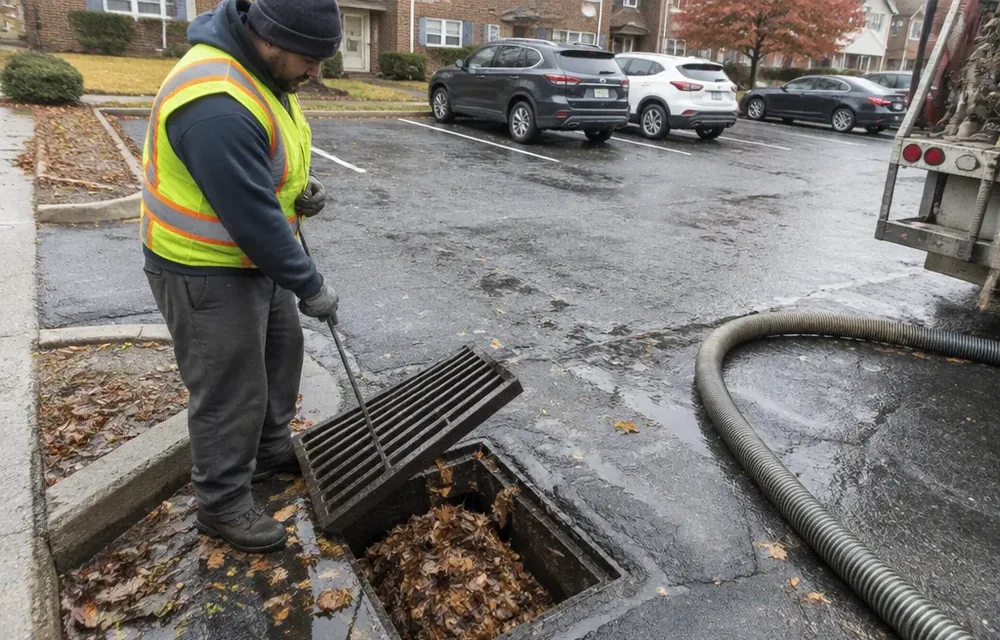
Storm Drain & Catch Basin Cleaning
A flooded loading dock or parking lot is rarely a rain problem.
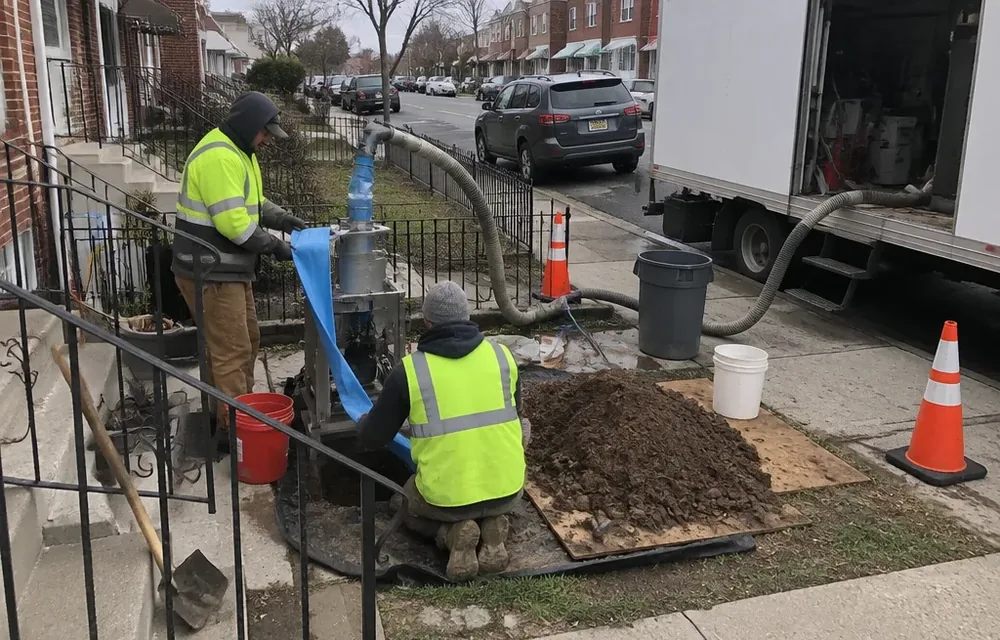
Commercial Hydro Jetting
Commercial drains fail on schedule — fryer volume, tenant count, storm season — so they should be serviced on schedule.
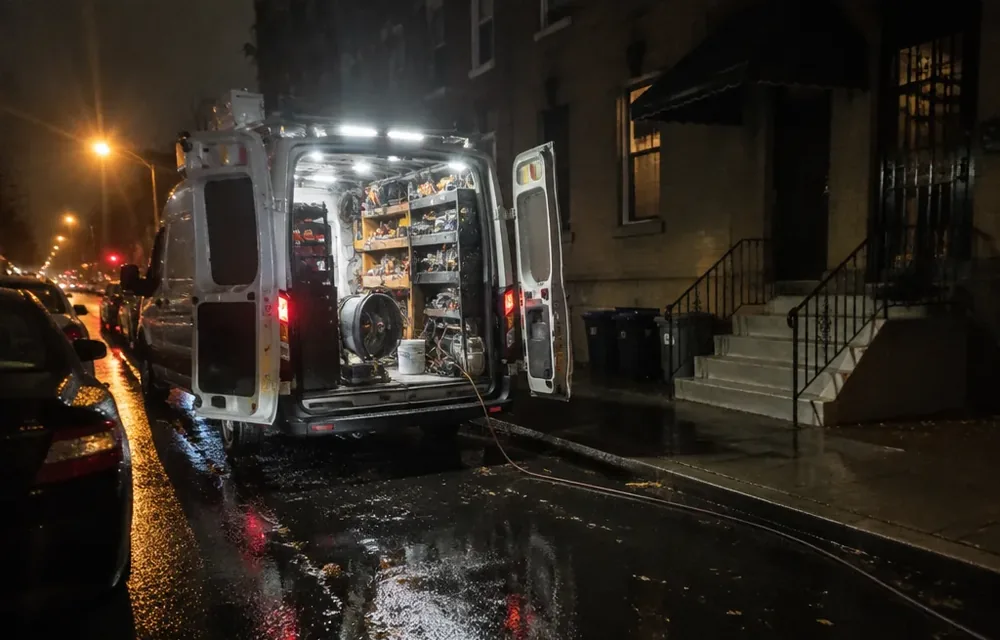
Emergency Drain Service
Sewage on the basement floor does not wait for business hours, and neither do we.
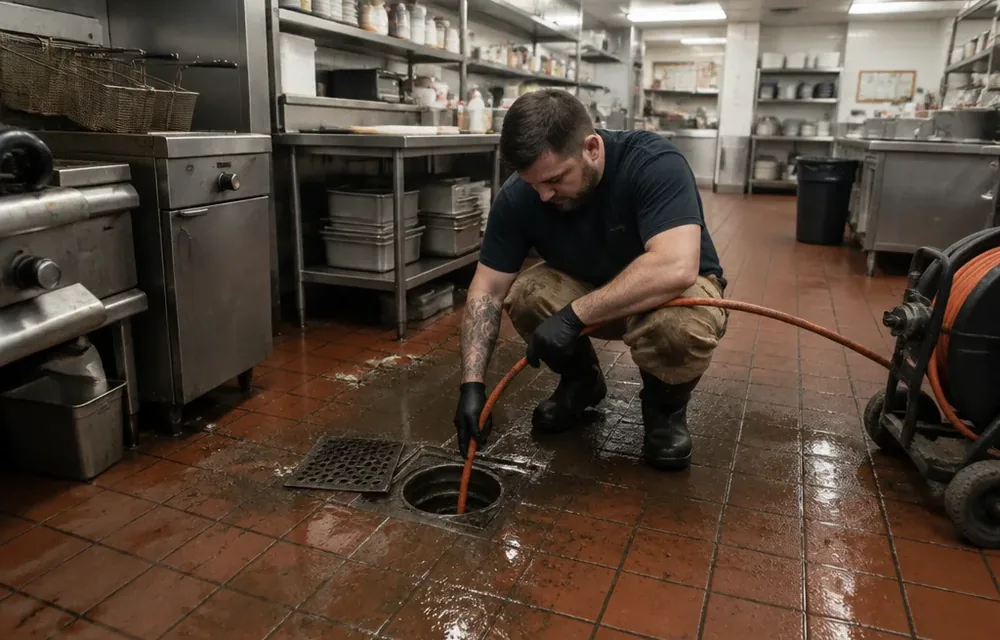
Restaurant Food-Service Jetting
A restaurant drain never fails at 2 p.
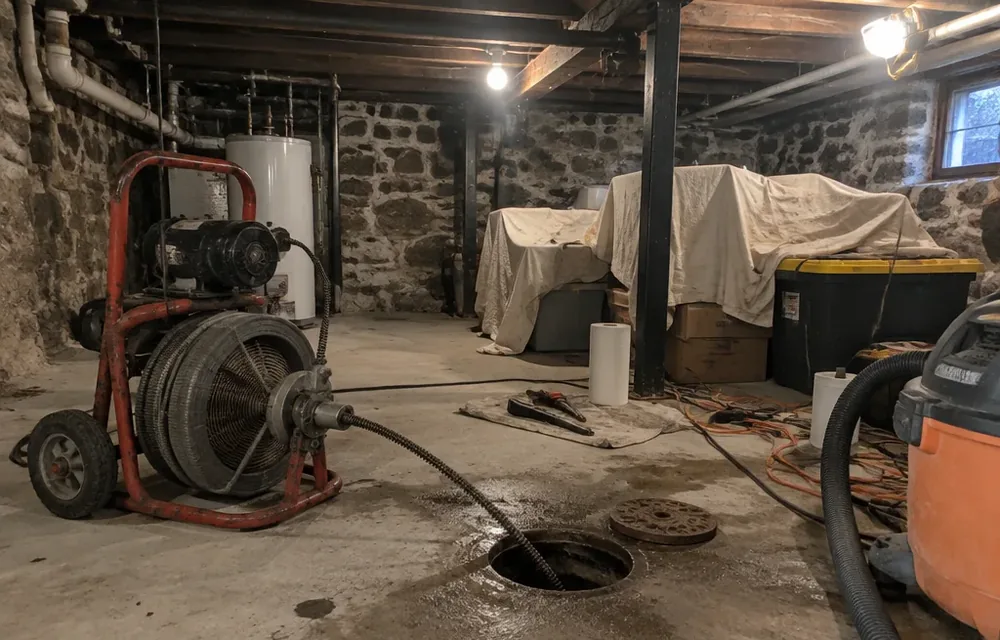
Property Manager Multifamily Drains
Nobody treats a rental drain like an owner does.
HOA Community Drains
HOA drain problems are never one owner's problem.
Guides and symptom checks matched to Ardmore's housing
Guides for this housing stock
- Tree Roots in Philadelphia Sewer Lines Guide — why clay joints open and what the camera should log
- Philly Rowhouse Laterals: Clay, Iron & More — which pipe your build era used and what each needs
- Camera Inspection Before Hydro Jetting Guide — when scoping must come before any pressure
Symptoms we trace in Ardmore
- All Drains Slow — whole-house slowness means main line, not fixture
- Same Clog Keeps Returning — repeat clogs mean coating or defect, not bad luck
- Drain Gurgling — what gurgling says about vents and mains
Ardmore plumbing questions
Why is Ardmore sewer work priced by the foot of landscaping?
Because the pipe is the cheap half. Ardmore’s deep Main Line setbacks stretch clay laterals 60 to 100 feet under flagstone walks, fieldstone walls, and specimen plantings from Lancaster Avenue to Haverford Road. Open trench restoration frequently costs more than the pipe work, which is why trenchless lining from two small pits wins here even where digging is feasible.
My Ardmore colonial drains slowly everywhere. What is it?
Textbook cast iron invert corrosion inside plus root intrusion at the clay hubs outside. The 1920s colonials of South Ardmore and Ardmore Park carry stacks now 90-plus years old with scaled bores that catch everything, while mature oaks occupy the outside joints. Camera both segments — each needs its own scope.
How long are Ardmore laterals really?
Often 60 to 100 feet given deep setbacks, with four or more root entries on a single camera run. That length with that many entries is a lining job, not a spot-repair job, because sequential excavations across lawns and walls cost a multiple of one trenchless run.
Does Ardmore have Orangeburg?
Far less than the postwar townships. Ardmore’s 1900–1930 core predates the fiber-pipe window, so clay with cast iron dominates. Fringe 1940s–1950s infill toward Wynnewood and Haverford can carry scattered Orangeburg, which camera identification confirms or rules out street by street.