Water in the Basement Floor Drain: Philadelphia Guide
The basement floor drain is the lowest opening on your drainage system, so it is where every downstream restriction shows itself first. Standing or rising water there means the building drain or lateral cannot pass what the house is sending, and the correct response depends on whether water is merely slow to leave or actively arriving.
- Symptom guide
- Philadelphia area
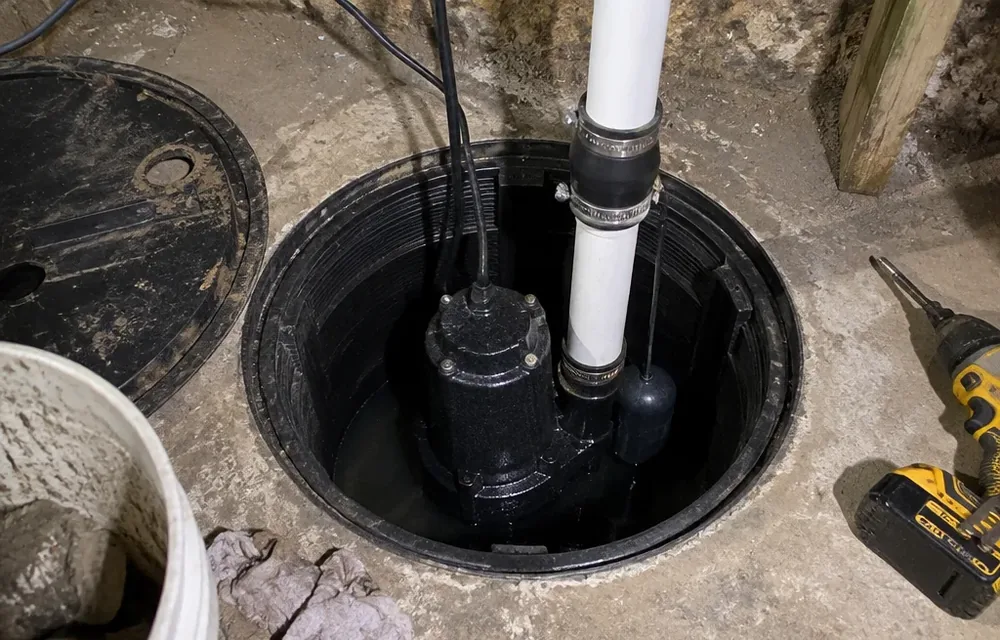
Understanding water in the basement floor drain
Why the floor drain shows trouble first
Drainage follows gravity to the lowest exit, and in a Philadelphia rowhouse the basement floor drain sits below every fixture and at the head of the lateral run. When the building drain or street lateral narrows, upper fixtures still drain because they have fall and pressure behind them, but the floor drain, with almost no fall and no pressure, ponds first. It functions as the system gauge: slow seepage around it means restricted flow downstream, while active rising means the line is effectively closed and inflow is accumulating.
The water itself has three possible origins, and they matter. Fixture discharge from upstairs showers, toilets, or the washing machine appears in rhythm with use and points to a private-line blockage. Groundwater infiltration through failed clay joints rises steadily regardless of indoor use, often after rain, as the water table feeds the pipe trench. Street surcharge on combined-sewer blocks pushes water backward up the lateral during cloudbursts, arriving suddenly with storms and sometimes affecting neighbors simultaneously. Each origin shares the same visible symptom at the drain grate.
Rowhouse construction concentrates the risk. Finished basements in South Philly and Fishtown put drywall and flooring within inches of the lowest opening; basement laundry setups in West Philly and Germantown discharge washer pump volume directly above it; and older homes without backwater valves have no check against reverse flow at all. That is why floor-drain water is treated as a main-line symptom from the first sighting rather than as a drain needing a plunger. Tenants in converted multifamily rowhouses should alert the property owner at once, since continued upstairs usage by other units keeps feeding the backup while a single household conserves.
How to read the water safely at home
First, determine direction without touching the water. Is the level steady, falling, or rising? Steady water that neither grows nor drains suggests a downstream restriction holding the line full. Rising water while nobody uses anything points to groundwater or street inflow arriving on its own. Water that surges when the washer discharges or a toilet flushes confirms fixture discharge stacking behind a blockage. Watch for five full minutes before concluding anything, and stop all water use the moment the level rises with use.
Second, read the context around the drain. Sniff for sewage versus musty earth: sewage odor implicates the sanitary lateral while clean mustiness leans toward infiltration or seepage. Note the weather and the block: rain within the last day plus neighbors with wet basements describes a combined-sewer surcharge event, while dry-weather rising in one house alone describes a private blockage. Check whether the water is clear or carries solids and paper; solids confirm sewage rather than groundwater and change the cleanup from drying to disinfecting.
Stay out of the water for all of this. If it approaches outlets, the washer, or the panel, kill power to the area from a dry location and do not re-enter until it recedes. Photograph the level against a fixed reference such as the drain rim or a wall line for the record, and do not remove the drain cover or rod the line yourself; an opened floor drain below the backup level adds inflow rather than relieving it. The clog symptom diagnostic asks these same direction and context questions in order.
What fixes it, and when to call now versus wait
A floor drain that drains slowly but never rises, with no odor and no solids, can be scheduled within days. Test it gently by pouring a single bucket nearby and watching the response; sluggish acceptance without overflow confirms restricted downstream flow worth a prompt but non-emergency visit. Until then, minimize inflow: stagger showers, hold laundry, and keep the basement clear at floor level. A drain that merely holds a little water between uses may also be a partially dry trap plus a minor restriction, so note whether the water is standing in the bowl or arriving from it.
Rising water, sewage content, or odor is a same-day call without exception. The line needs professional opening with the right machine, verified under real volume, since a floor drain that accepts a test bucket but fails under a washer cycle is not fixed. See basement floor drain cleaning for the work at the lowest opening and emergency drain service when sewage is actively entering; after-hours dispatch exists for exactly this scenario.
Once flow is restored, protect the opening that warned you. A camera inspection shows whether roots, a belly, or scale set the stage, documented in sewer camera inspection, and repeat or rain-linked events deserve a backwater valve assessment before the next cloudburst. Philadelphia homeowners should read basement backups and combined sewers for the street-side half of the problem and how to prevent basement backup for the valve, grading, and sump measures in priority order.
Water in the Basement Floor Drain: questions
Should I plunge a basement floor drain with standing water?
No. A floor drain ponds because of a downstream restriction far past the grate, not because of a blockage at the opening, so plunging moves nothing and can force contaminated water across the floor. If the water is rising or carries sewage, stop using water and call for same-day service instead.
Why does my floor drain only fill up when it rains?
Because your block runs on combined sewers and stormwater surcharges the public main during cloudbursts. That pressure travels up your lateral and appears at its lowest opening first. Rain-only events implicate the street main alongside your line and deserve both a clearing assessment and backwater-valve protection.
Will a backwater valve keep my floor drain dry?
A properly placed valve blocks reverse flow from the street main, which covers surcharge events, but it cannot fix a private-line blockage downstream of your own fixtures or a line so deteriorated it leaks. Valves protect against the street half of the problem; the camera decides whether the house half needs work too.
Services that fix this
Basement Floor Drain Cleaning
The basement floor drain is the lowest opening in your rowhouse — which makes it the relief valve for every downstream restriction.

Emergency Drain Service
Sewage on the basement floor does not wait for business hours, and neither do we.
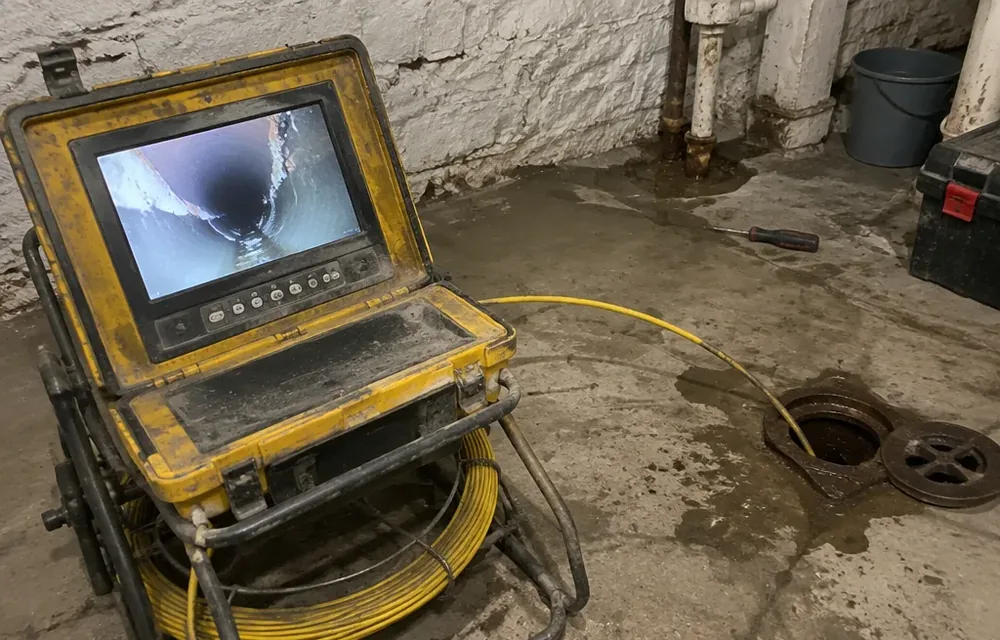
Sewer Camera Inspection
Every expensive sewer decision in Philadelphia — jet, repair, line, replace — depends on one thing: what the pipe actually looks like inside.
Guides on this symptom
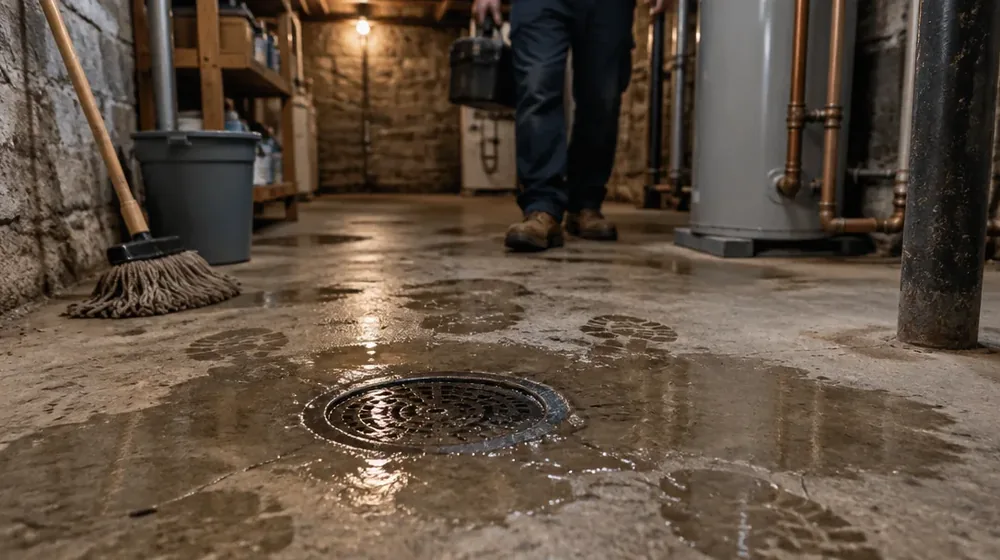
Basement Backup in Philly: Combined Sewers
When rain and sewage share the same Philadelphia main, a cloudburst can push water backward through the lowest drain i…
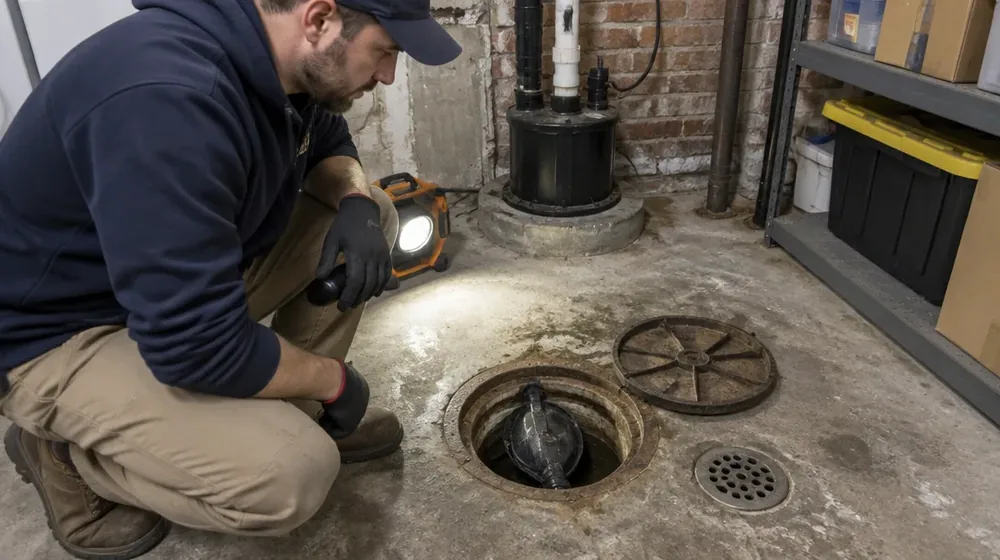
How to Prevent Basement Backup in Philadelphia
Prevention on a combined-sewer block means giving surcharge water no low opening to use and giving your own discharge …