Drain cleaning and sewer service in Norristown, Pennsylvania
Norristown is Montgomery County’s old river-and-mill seat, and its drains read exactly like that history: 1880s–1930s worker twins, rowhouses, and Main Street commercial blocks on vitrified clay tile, cast iron inside, and some of the oldest public mains in the county. The Schuylkill River sets the second half of the problem. Low ground in the South End, around Barbadoes and Chain Streets, and the riverfront wards sits close to the water table, so winter groundwater infiltrates cracked clay joints and low basements take backups during sustained Schuylkill Valley rain. Former mill blocks around Marshall Street, DeKalb Street, and the old Logan Square industrial edges add deep laterals, stone foundations that leak groundwater toward floor drains, and settlement breaks where fill around old mill races has shifted over a century.
- Montgomery County
- Montgomery County
- Same-day and 24/7
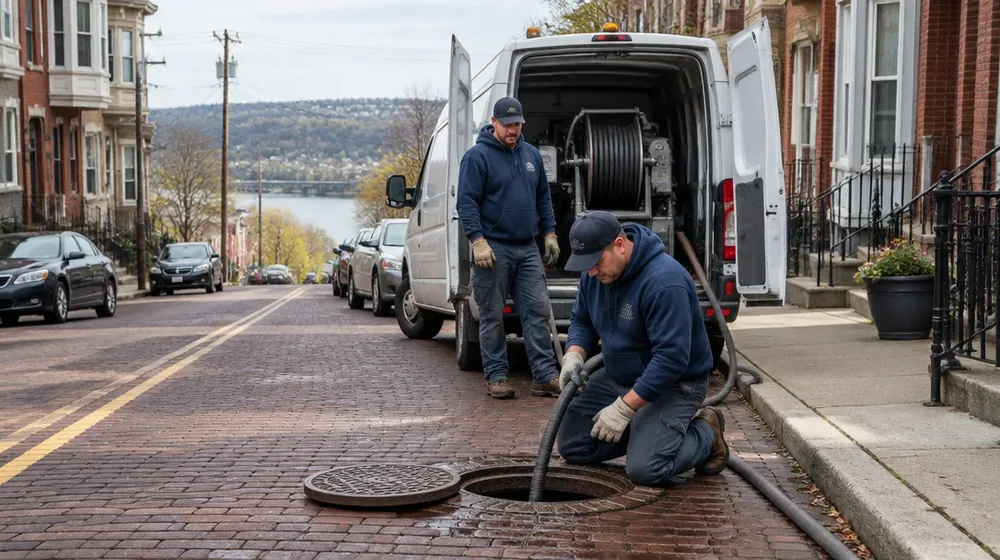
Norristown at a glance
County: Montgomery County · Area: Montgomery County · Neighborhoods covered: 9 · Response: same-day visits usual; 24/7 for backups
Pipes you will find here: Vitrified clay tile on most pre-1940 laterals, cast iron soil and interior lines in nearly all the pre-war stock, scattered Orangeburg on 1945–1960 infill, and PVC/ABS only on replacements and newer builds near the Norristown Farm Park edge.
What goes wrong with Norristown plumbing
River-level groundwater infiltrating old clay
Norristown’s South End and riverfront wards sit low toward the Schuylkill, and the winter water table rises to lateral depth in wet years. Groundwater pours through cracked clay joints and open hub connections, so the line carries infiltration load all season. Backups that arrive with sustained rain rather than with usage are the signature, and sealing joints by lining addresses both the infiltration and the root entries at once.
Mill-era settlement breaks and deep runs
Around the old mill corridors off Marshall Street, Barbadoes Street, and the Stony Creek bottom, laterals run deep through old fill and cinder ground that has settled unevenly for a century. Sheared hubs, offset joints, and bellies that hold solids are common, and a belly — a sag that ponds water — cannot be corrected by lining because a liner follows existing grade. Camera with grade readings decides between lining and open repair.
Cast iron and stone-foundation cross-flow
Norristown twins with stone foundations routinely route foundation seep and floor-drain water toward the sanitary lateral, overloading lines that already carry infiltration. Add 70-year-old cast iron stacks scaling shut inside, and whole-house slow drainage that cabling only briefly improves is the standard complaint from the North End to the West End.
Housing stock and pipe materials
Housing: Predominantly 1880s–1930s twins, rowhouses, and worker cottages in the downtown grid, North End, and South End, with early-1900s apartment blocks along DeKalb and Marshall Streets and postwar infill toward the East Norriton line.
Likely pipe materials: Vitrified clay tile on most pre-1940 laterals, cast iron soil and interior lines in nearly all the pre-war stock, scattered Orangeburg on 1945–1960 infill, and PVC/ABS only on replacements and newer builds near the Norristown Farm Park edge.
Who is responsible for the pipe in Norristown
In most Philadelphia-area jurisdictions the property owner is responsible for the sewer lateral from the building to the connection at the public main — including the portion running under the street. The exact split differs by city, so confirm yours with Norristown's public works or wastewater department before assuming any of it is theirs.
Two things worth checking before you pay for anything: whether the city runs a lateral repair assistance or low-interest loan program, and whether your homeowner's policy carries a service line endorsement.
A closer look at Norristown
The river sets the winter failure calendar
Norristown’s South End, the Barbadoes and Chain Street corridors, and the riverfront wards sit low toward the Schuylkill with the water table near lateral depth through the wet months. Groundwater enters cracked clay joints and open hubs continuously, so the lateral carries infiltration load on top of household flow all season.
Backups here arrive with sustained Schuylkill Valley rain rather than with fixture use, and a line running comfortably at partial capacity all summer has no headroom in January. Sealing the joints by lining addresses the infiltration and the root entries together, which is why winter repeat backups in the South End resolve to lining scopes rather than to another clearing.
Mill fill, deep runs, and why grade readings decide everything
Around the old mill corridors off Marshall Street and the Stony Creek bottom, Norristown laterals run deep through fill and cinder ground that has settled unevenly for a century. Sheared hubs, offset joints, and bellies that pond solids are the standard camera findings rather than the exception.
The grade reading is the decision point: offset-but-graded joints suit lining, while a belly — a sag holding standing water — must be excavated and re-graded because a liner follows existing slope. Norristown is the Montgomery County town where skipping the grade reading most reliably produces the wrong scope.
Stone foundations feeding the sanitary lateral
Norristown twins with stone foundations admit winter seep that migrates to floor drains connected to the sanitary lateral, a cross-connection modern construction would never allow. An old clay line already carrying riverplain infiltration then runs near capacity before any fixture is used.
The durable pair is separating clean foundation water from the sanitary lateral and sealing the lateral joints. Either step alone leaves half the load in place, which is why Norristown scopes that address only the pipe — or only the seep — keep returning every wet winter.
Where we work in and around Norristown
Within Norristown we cover Downtown (Main and DeKalb Streets), North End, South End riverfront, West End, East End, Logan Square, Marshall Street corridor, Jeffersonville edge, Norristown Farm Park vicinity and the surrounding area. Same-day drain cleaning and rooter service is usually available across Norristown, and dispatch runs around the clock for an active backup.
Nearby cities we also serve
What we do in Norristown
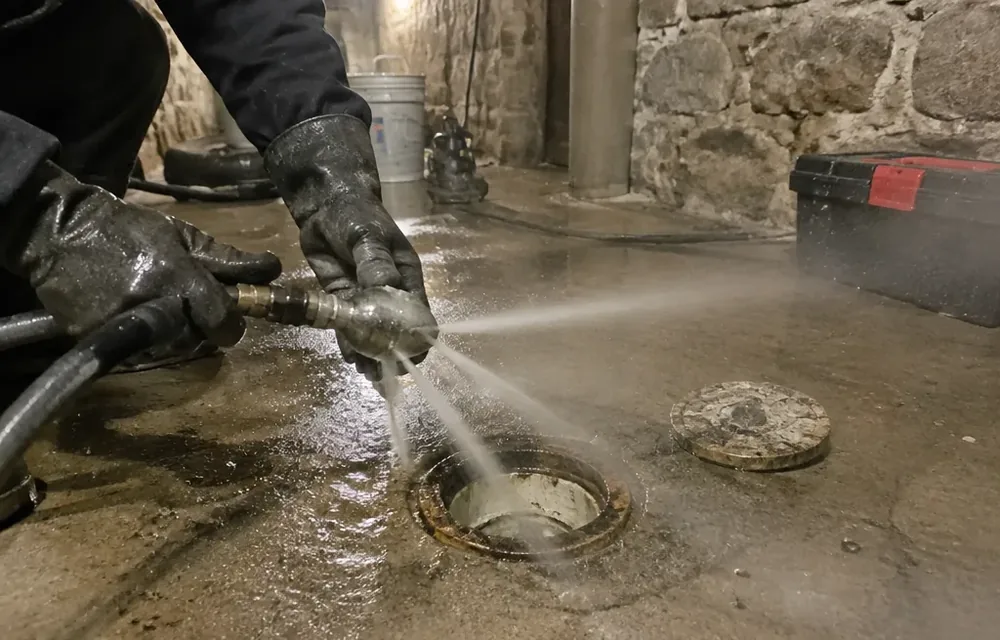
Hydro Jetting
A cable bores a hole through the clog.
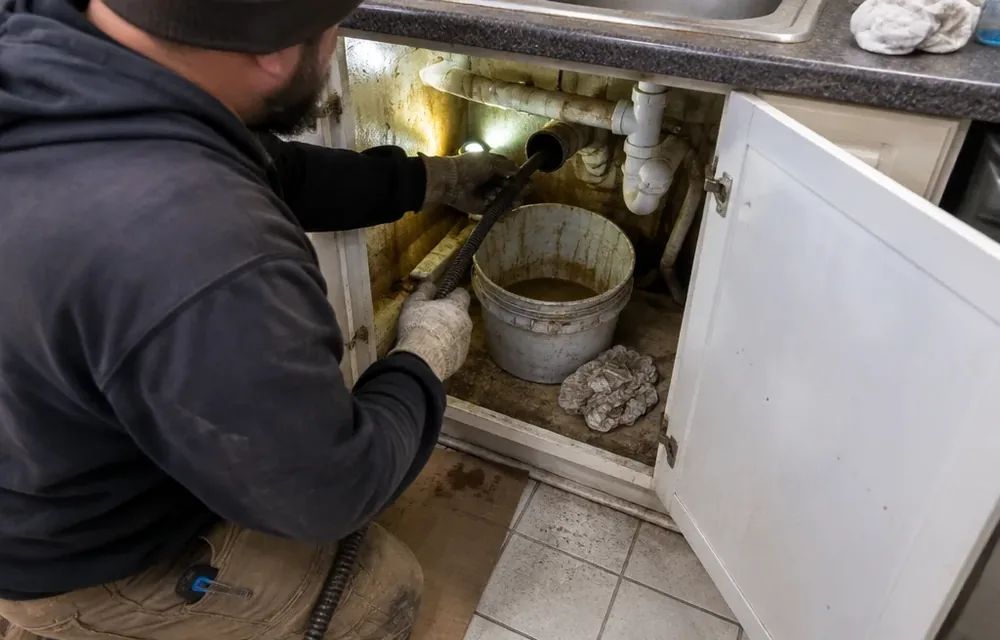
Drain Cleaning
A single slow sink is a nuisance.
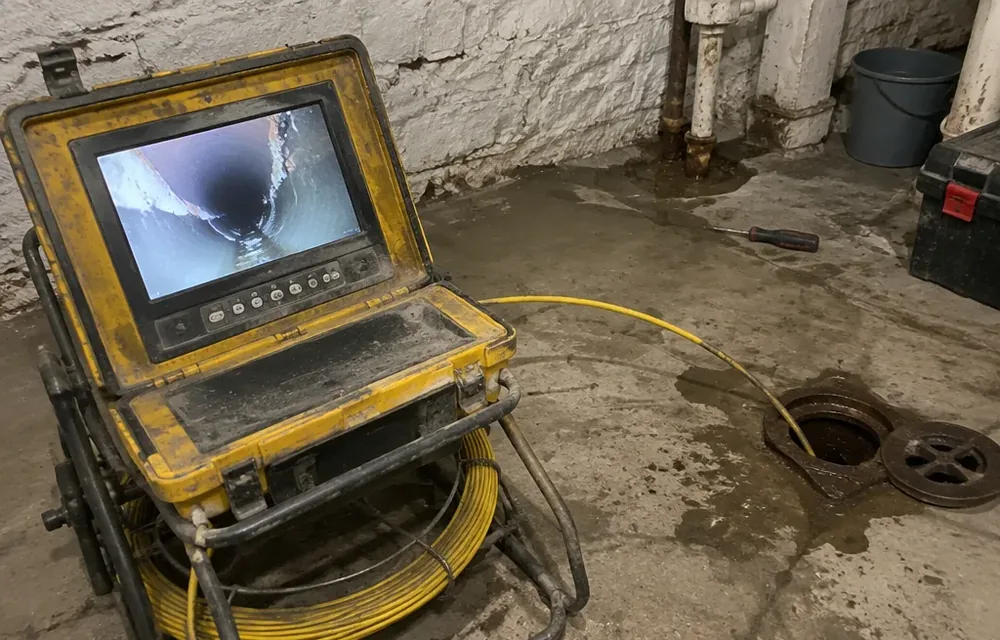
Sewer Camera Inspection
Every expensive sewer decision in Philadelphia — jet, repair, line, replace — depends on one thing: what the pipe actually looks like inside.
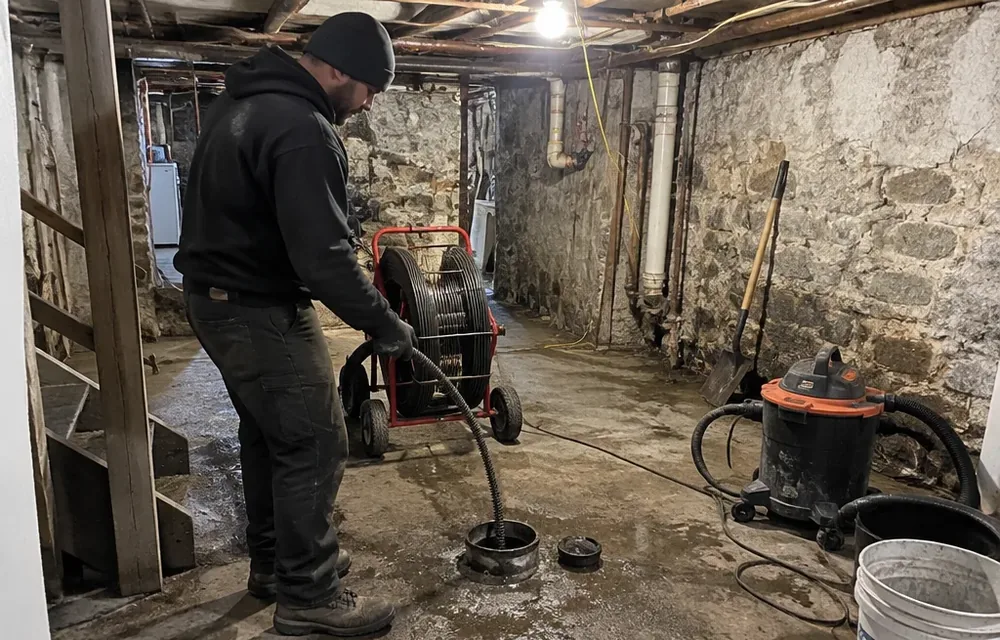
Main Sewer Line Cleaning
The lateral is the most expensive drain you own — a 60-to-100-foot clay run from your rowhouse to the street main, shared with stormwater, hunted by street-tree roots.
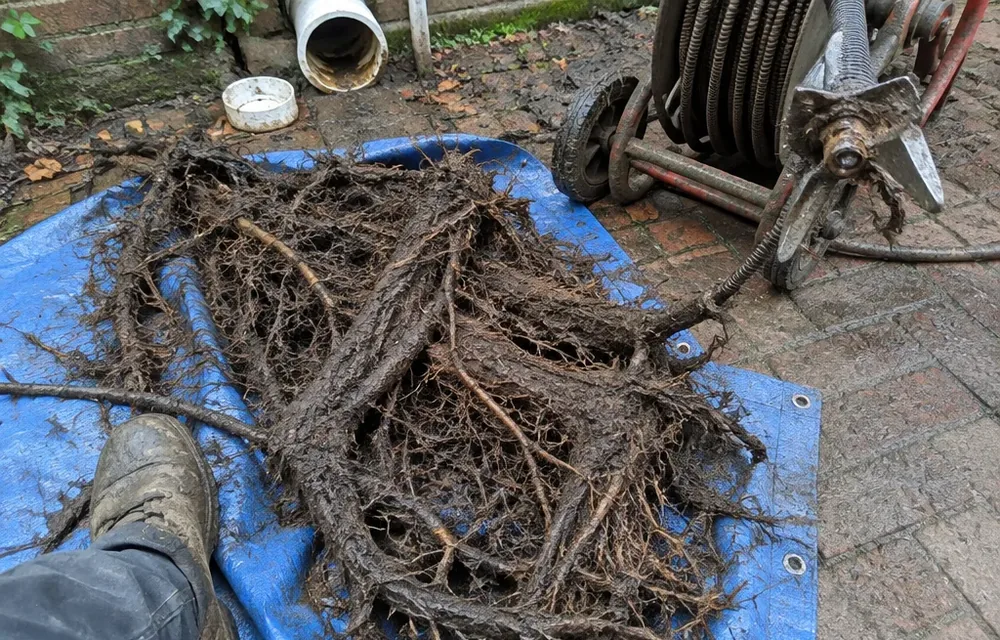
Rooter Service
Roots do not break your pipe to get in.
Kitchen Grease Line Jetting
Grease is the one clog material a cable cannot fix.
Bathroom Drain Cleaning
Bathroom clogs are almost never mysterious: hair, soap scum and toothpaste solids, wrapping around cast iron scale in a century-old branch arm.
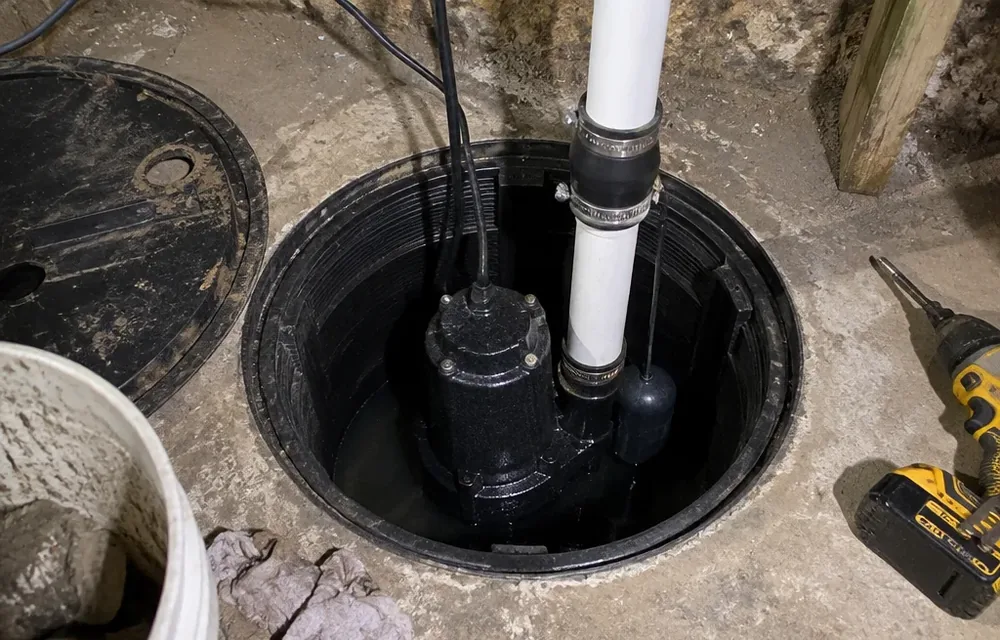
Basement Floor Drain Cleaning
The basement floor drain is the lowest opening in your rowhouse — which makes it the relief valve for every downstream restriction.
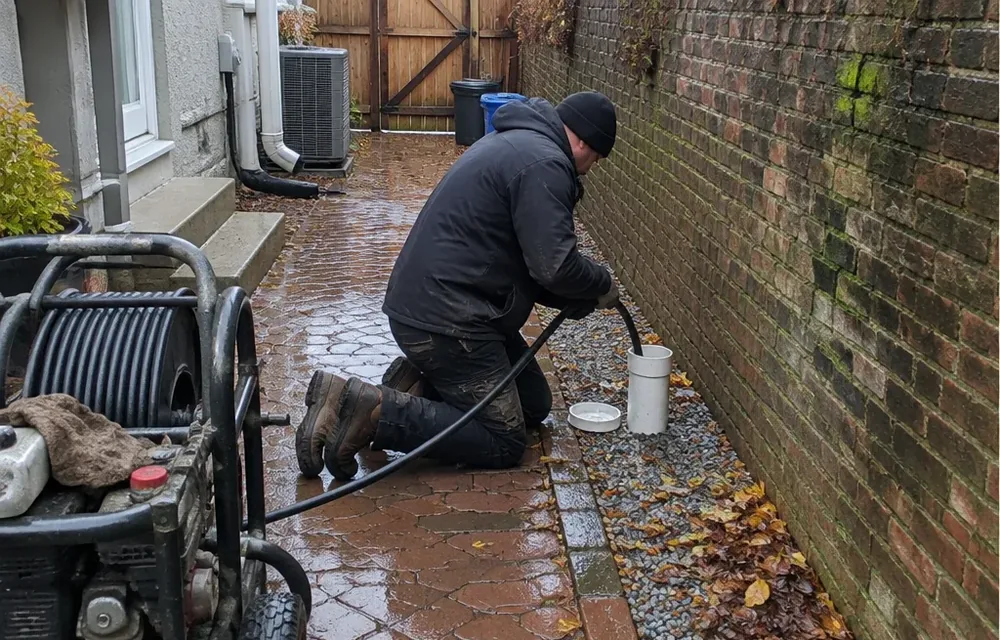
Storm Drain & Catch Basin Cleaning
A flooded loading dock or parking lot is rarely a rain problem.
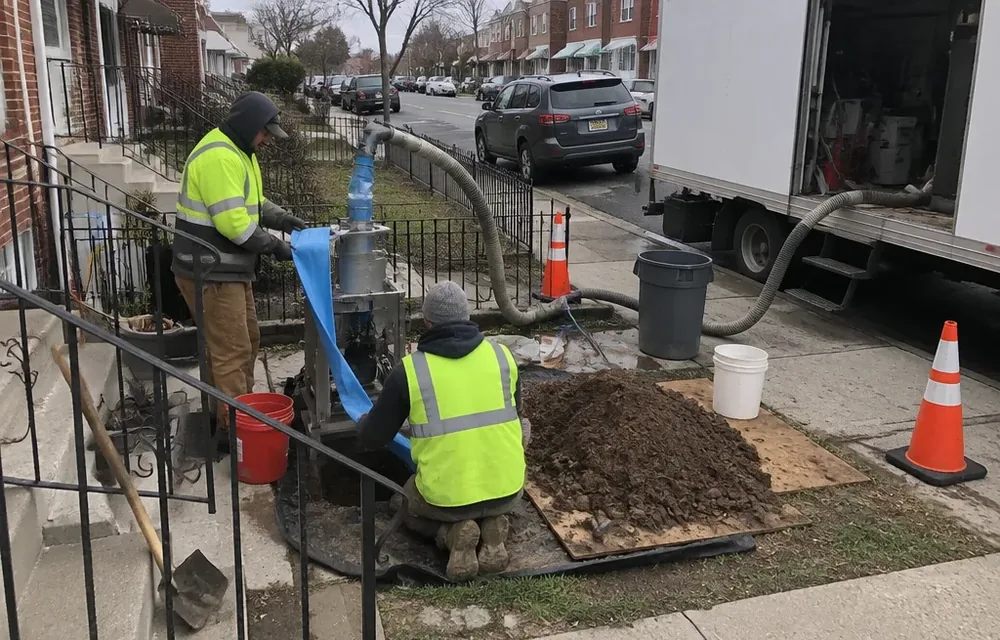
Commercial Hydro Jetting
Commercial drains fail on schedule — fryer volume, tenant count, storm season — so they should be serviced on schedule.
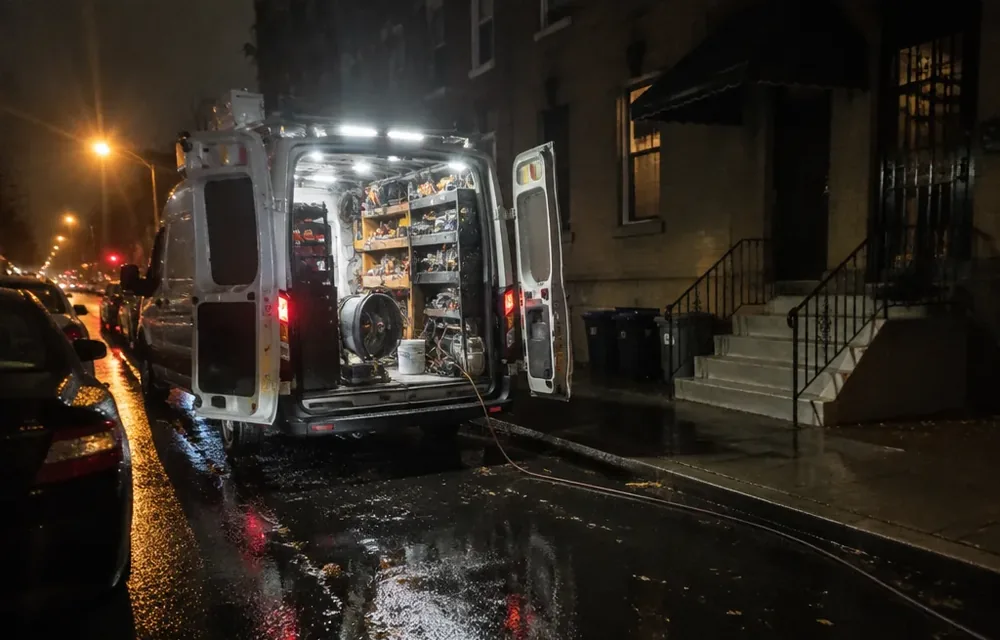
Emergency Drain Service
Sewage on the basement floor does not wait for business hours, and neither do we.

Restaurant Food-Service Jetting
A restaurant drain never fails at 2 p.
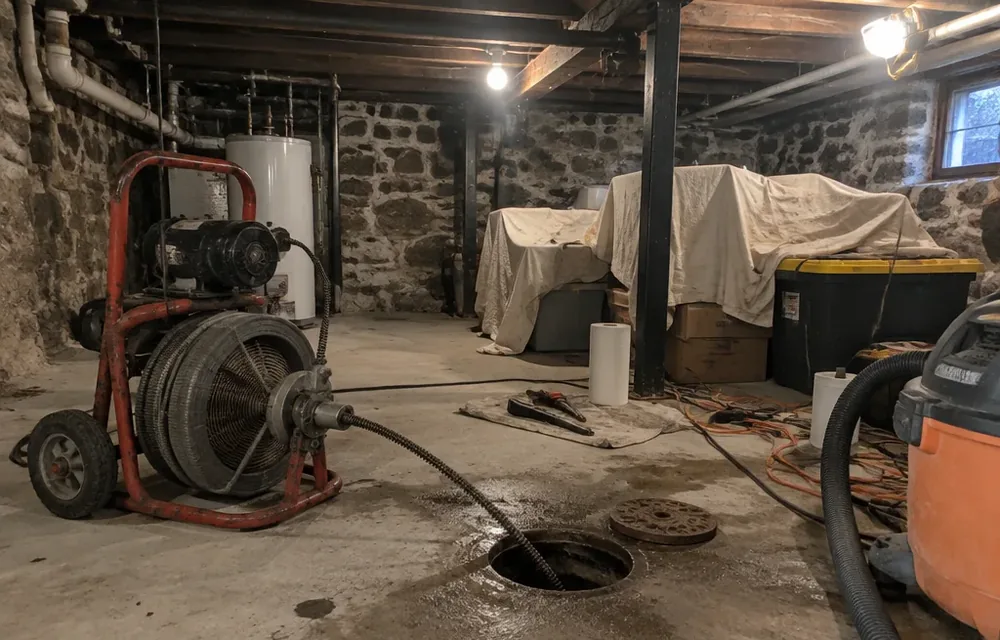
Property Manager Multifamily Drains
Nobody treats a rental drain like an owner does.
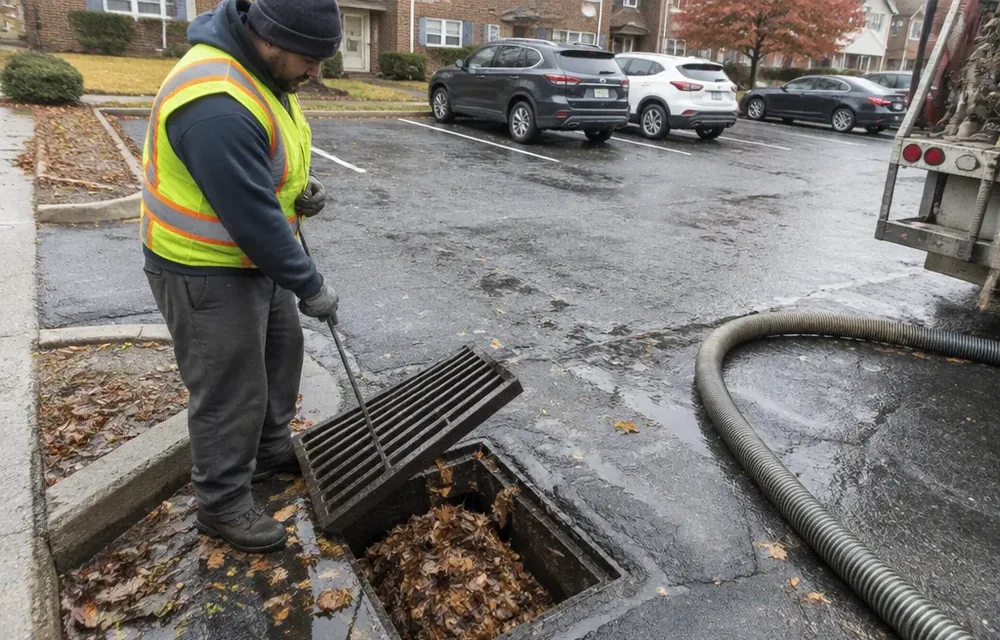
HOA Community Drains
HOA drain problems are never one owner's problem.
Guides and symptom checks matched to Norristown's housing
Guides for this housing stock
- Basement Backup in Philly: Combined Sewers — how shared mains back up basements in sustained rain
- Tree Roots in Philadelphia Sewer Lines Guide — why clay joints open and what the camera should log
- Restaurant Grease Trap Maintenance in Philadelphia — trap logs and jetting intervals that keep kitchens open
Symptoms we trace in Norristown
- All Drains Slow — whole-house slowness means main line, not fixture
- Water Backing Up Into Fixtures — when one fixture fills another, act fast
- Water in the Basement Floor Drain — water at the floor drain during rain
Norristown plumbing questions
Why do Norristown South End basements back up in wet winters?
Low ground toward the Schuylkill holds the water table near lateral depth for months, and winter groundwater pours through cracked clay joints and open hubs. The line carries infiltration load all season on top of household flow, so capacity vanishes during sustained Schuylkill Valley rain. Lining that seals the joints addresses the water entry and the root entries in one operation.
My Norristown twin is from 1915. What should I expect underground?
Vitrified clay tile outside with cast iron inside, laid when the mill borough built out, now 100-plus years old. Camera work on North End and West End twins routinely finds offset hubs, root intrusion, and invert scale together rather than a single failure point. The useful question is not where the break is but whether any of the run is still serviceable.
What is a lateral belly and why does Norristown get them?
A belly is a sag where the line settled below grade so water and solids pond instead of flowing through. Old mill fill and cinder ground around Marshall Street, Barbadoes Street, and the Stony Creek bottom settles unevenly, which creates them. The critical point: lining follows existing grade and cannot fix a belly. A belly needs excavation and re-grading, so camera with grade readings decides the scope.
Does stone-foundation seep connect to my sewer problem?
Often, yes. Norristown twins with stone foundations route winter seep toward floor drains tied to the sanitary lateral, overloading clay lines already carrying infiltration. Redirecting clean foundation water away from the sanitary lateral — then sealing the lateral joints — removes load that clearing alone never touches.
Should I scope a Norristown lateral before buying?
Strongly. Mill-era clay with settlement offsets, bellies in fill ground, and cast iron at end of life can stack five-figure scope onto a purchase. A mapped camera inspection with depths and grade readings belongs in the negotiation on any pre-war Norristown twin, especially in the South End and the old mill corridors.