How much does a backwater valve cost to install in Philadelphia?
Installed backwater valves in Philadelphia typically land in the low-to-mid four figures as market context, with straightforward basement installations near the bottom and jobs needing concrete cutting, deep excavation, or finished-space restoration toward the top. Every figure below is background for comparing scopes, not a quotation for your address.
- Direct answer
- 2 min read
Access drives the number more than the valve itself. A valve set into an exposed basement lateral near the front wall, where the main exits toward the combined sewer in the street, is a compact job: cut in the valve body, set the flapper and access box flush, restore pitch, test, and patch. The price climbs when the lateral runs beneath a finished basement slab in a Center City or South Philadelphia rowhouse and the crew must saw concrete, excavate, shore, backfill, and re-pour, plus carry debris out through living space and narrow areaways. Depth, distance to the front wall, finished flooring and drywall restoration, and whether the existing line also needs cleaning or root cutting before the valve goes in all move the total. Ask each bidder to name the valve location, the linear feet of excavation, and exactly what restoration is included, because two figures at the same address can describe very different scopes.
This is not a DIY project under Philadelphia rules. Valve selection, sizing, orientation, venting, and flood-level calculations must satisfy the Philadelphia Plumbing Code, the work needs permits and inspection, and manufacturer warranties plus any program eligibility hinge on documented professional installation. A backward flapper, a valve buried without an accessible cover box, or a lid finished over with tile converts protection into a maintenance trap, and combined-sewer surcharge during summer cloudbursts is exactly when that defect announces itself. Qualifying homeowners should also know the city-funded path: the Philadelphia Water Department program covers backwater valve installations for eligible properties with documented qualifying backups, which can reduce the out-of-pocket figure to program terms rather than market rates. Check eligibility and documentation requirements through the program before signing a private contract, and keep every backup record, photograph, and plumber report the application asks for.
Pair the valve with the habits that keep it working. The flapper needs periodic inspection and cleaning, wipes and grease still do not belong in the drains, and a post-install camera file with footage marks proves the downstream lateral to the main is sound. Rowhouses in low-lying pockets near the Schuylkill and Delaware corridors, plus basements with floor drains below street grade in Kensington, Point Breeze, and parts of the Northeast, gain the most, because combined sewers carrying stormwater and sanitary flow together can surcharge the lateral during cloudbursts. A valve stops the street from entering the basement; only sound interior piping and disciplined kitchen habits stop the basement from troubling itself.
Want the full picture?
PWD Backwater Valve Program: Free Valve Guide — Read the full guide: the PWD backwater valve program path.
Follow-up questions
Will a backwater valve stop sewer gas smells?
Sometimes. A working flapper can block gases entering from the city main, but odors from dry traps, cracked vents, or interior buildup need their own diagnosis and remain after the valve goes in.
Do I still need permits if the PWD program covers the work?
Yes. Code compliance, permits, and inspection apply on every installation path, and program eligibility itself depends on documented professional installation.
Services behind this answer
Basement Floor Drain Cleaning
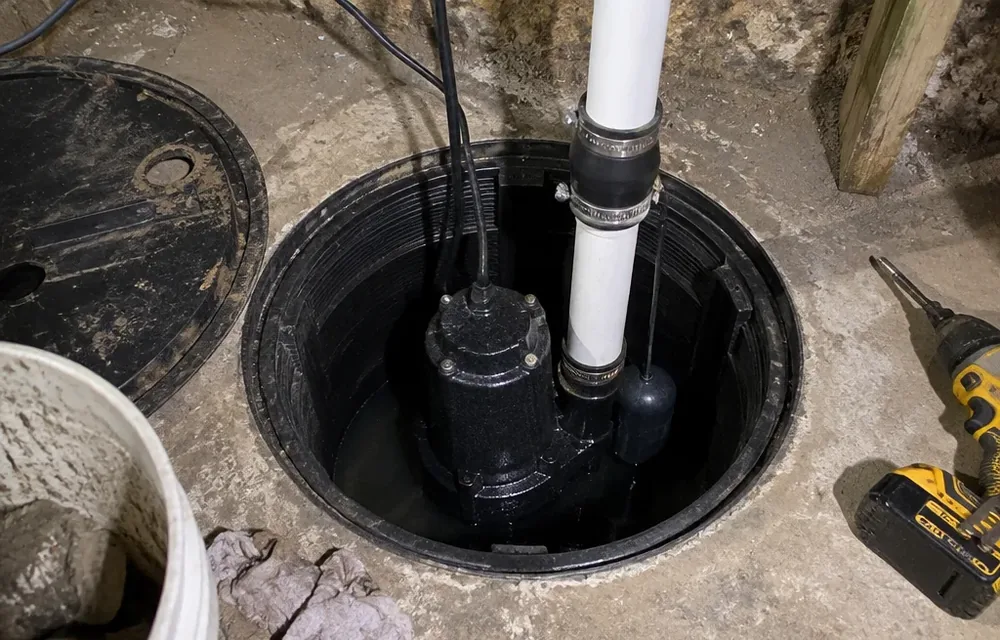
The basement floor drain is the lowest opening in your rowhouse — which makes it the relief valve for every downstream restriction.
Emergency Drain Service
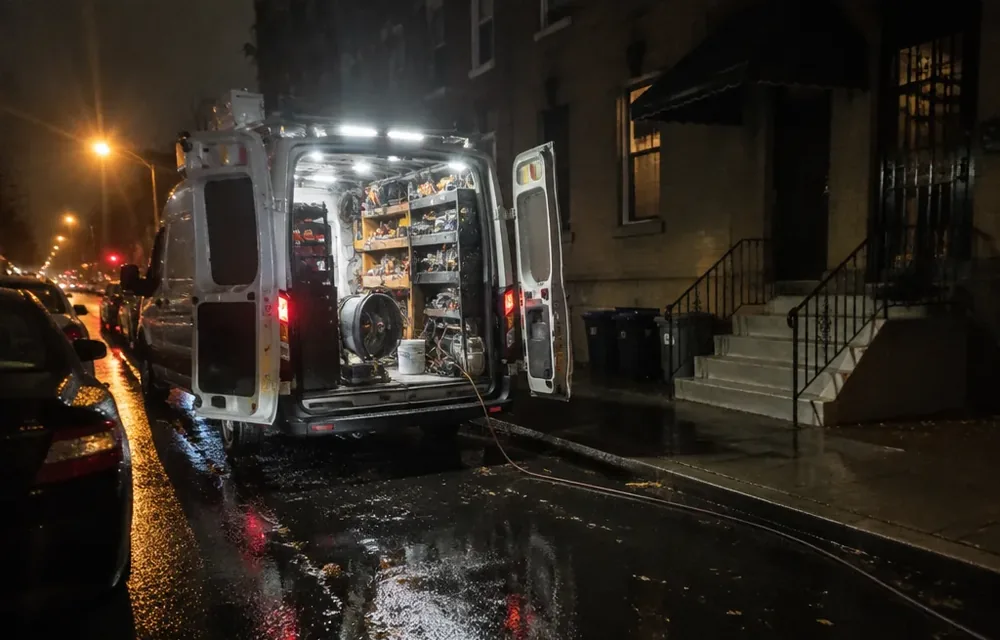
Sewage on the basement floor does not wait for business hours, and neither do we.