Is hydro jetting safe for old pipes?
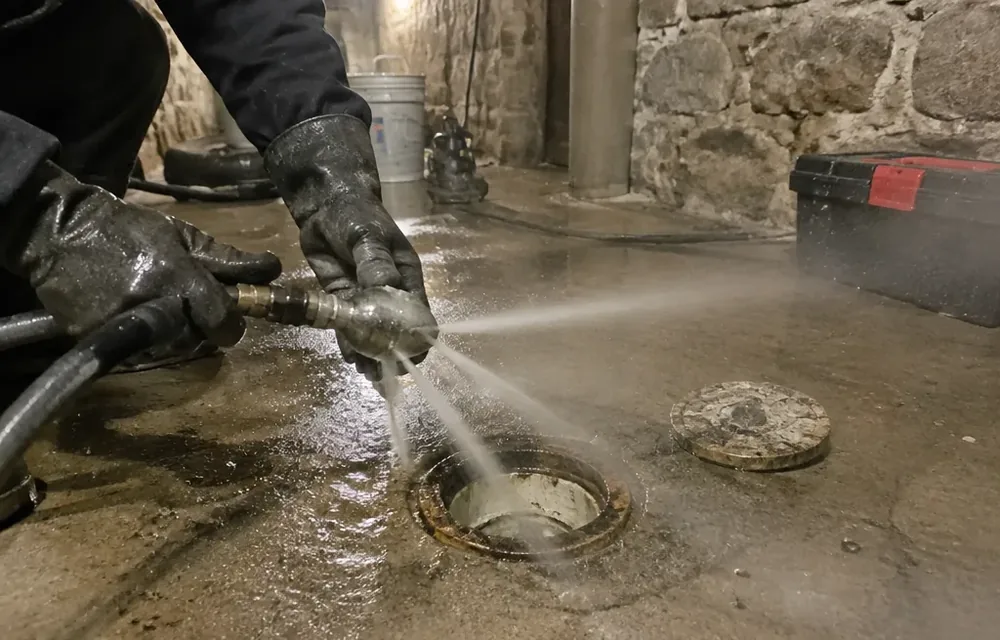
Hydro jetting is safe for old pipes that are sound and unsafe for old pipes that are failing, which is why the camera inspection decides rather than the calendar. Sound clay tile and sound cast iron in Philadelphia rowhouses jet beautifully, while Orangeburg fiber pipe, paper-thin scaled iron, separated joints, and collapsed segments can be destroyed by the same pressure.
- Direct answer
- 2 min read
Philadelphia housing stock makes screening non-negotiable. Rowhouse belts across South Philadelphia, Fishtown, Kensington, Point Breeze, and West Philadelphia went into the ground with vitrified clay laterals laid in short jointed segments, plus cast iron stacks and branch arms inside the building. Clay joints shift with a century of freeze-thaw heave, delivery loading over sidewalk corridors, and trench settlement, and cast iron interiors roughen and thin from the inside through tuberculation. A 1915 lateral with good joints takes full scouring pressure without complaint, while the identical-looking lateral next door with offset joints or channelled iron converts that pressure into a collapse or a flooded excavation. The two are indistinguishable from the surface, so pressurizing without footage is a gamble the homeowner funds.
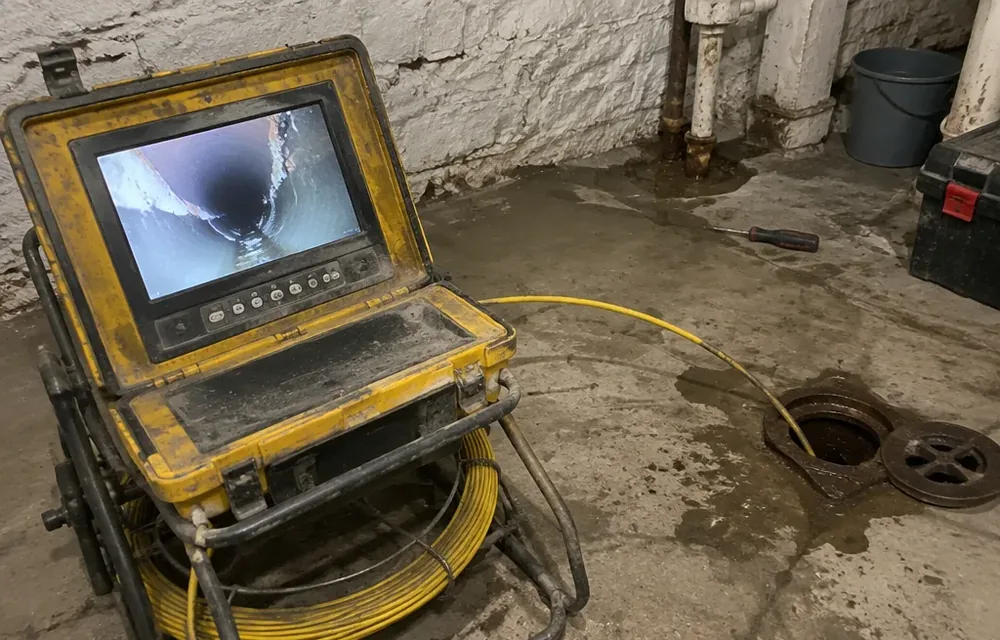
Post-war blocks in the Northeast, parts of the Southwest, and pockets of South Philadelphia add the 1945 to 1972 Orangeburg window: tar-impregnated wood-fiber pipe that softens, blisters, and deforms with age. Orangeburg forbids pressure entirely and converts the project to replacement planning, which is exactly the finding a pre-clean camera exists to deliver cheaply. Competent practice therefore runs camera first, matches nozzle and pressure to the shown material, and declines to jet when footage shows Orangeburg, collapse, severe bellies, or iron scaled thin enough to see through. Conservative pressure on rowhouse cast iron stacks and full working pressure only on verified sound clay is the professional standard, enforced under the Philadelphia Plumbing Code expectation that work suit the pipe at hand.
Homeowners control the outcome by demanding the sequence in writing: pre-clean camera with footage marks and depths, a pressure plan tied to those findings, and a post-clean camera proving bare wall and restored diameter. Where footage shows a single bad joint in otherwise sound pipe, scheduled maintenance remains rational; where joints are failing along the whole run or intervals keep shortening, repair or jointless replacement ends the cycle. Either path starts with the same file, and the crew that refuses to jet a failing line without first showing you why is the crew to keep.
Want the full picture?
Philly Rowhouse Laterals: Clay, Iron & More — Read the full materials guide: clay, cast iron, and Orangeburg.
Follow-up questions
My house was built in 1925. Should I rule out jetting?
No. Age alone decides nothing; condition decides everything. Many century-old clay laterals with good joints jet well, and the camera tells you in one visit which category yours falls into.
What finding most often stops a jetting job?
Orangeburg fiber pipe and collapsed or severely bellied segments. Both redirect the budget from cleaning to repair, which is money the camera saves rather than spends.