Cast Iron Descaling vs Jetting: What Aging Philadelphia Stacks Need
Inside every aging cast iron stack two processes run at once: scale builds inward and corrosion eats outward. Jetting removes the buildup beautifully but cannot restore the wall the corrosion consumed. Knowing which process dominates your stack decides whether the money goes to scouring, mechanical descaling, or replacement.
Why pre-1975 Philadelphia stacks all age the same way
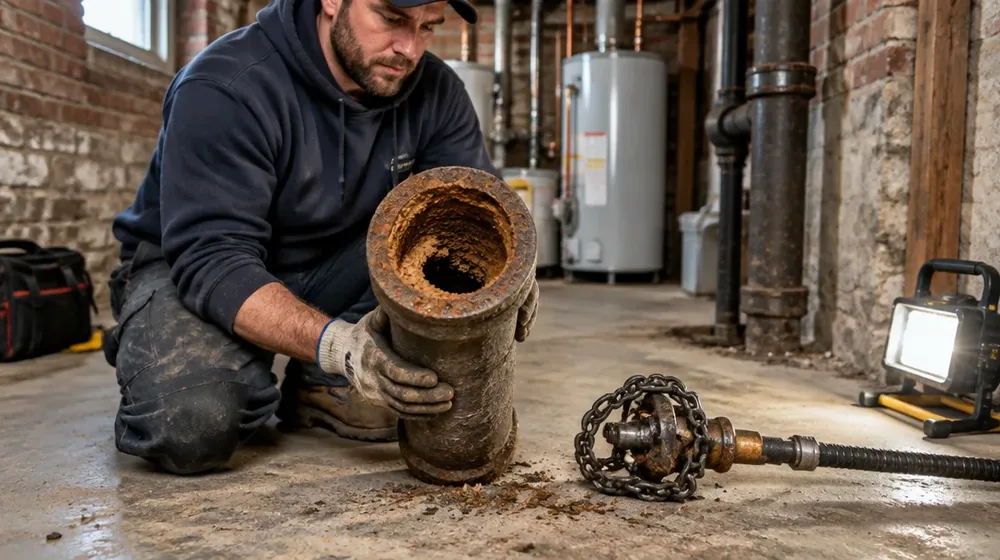
Cast iron dominated Philadelphia residential plumbing from the rowhouse boom through the early 1970s, which means stacks and laterals in homes from Fishtown to West Philadelphia have now served fifty to one hundred years. The material earned that run honestly: thick walls, quiet drainage, and joints that tolerate settlement. But a century of water, waste, detergents, and Philadelphia freeze-thaw movement at the foundation line has acted on every foot of it, and the failure pattern repeats so reliably that experienced technicians read it like a timetable.
Vertical stacks age differently from horizontal runs, and the distinction shapes every recommendation. Horizontal sections collect grease, soap, and sediment that narrow the bore from the inside, a coating problem that cleaning solves well. Vertical stacks suffer more from internal corrosion driven by constant wetting, sewer gas, and the abrasive passage of solids, a wall problem that cleaning exposes rather than solves. A three-story rowhouse stack can therefore have a cleanable horizontal lateral and a structurally tired vertical riser in the same system.
Mid-century repair history complicates the picture. Decades of patches joined original iron to clay at the foundation, to galvanized branches at fixtures, and occasionally to fiber or early plastic where a section failed first. Each transition is a coupling, and each coupling is both a snag point for debris and the weakest structural link in the run. The camera survey before any descaling decision must log every one of these transitions with footage marks, because the plan for sound iron and the plan for a patched assembly are different jobs.
The practical consequence is that age alone never decides the treatment. A 1920s stack with thick remaining walls and heavy scale is a descaling candidate with years of service ahead. A 1960s stack with deep pitting and thin walls can be closer to replacement despite being decades younger. Only measured wall condition, not the calendar, earns the recommendation, which is why footage and wall assessment precede every figure worth trusting.
Scale versus corrosion: the two processes inside your pipe
Scale is inward growth. Dissolved minerals, soap residue, grease films, and rust particles accumulate on the wall in layers, and inside cast iron those layers interleave with tuberculation, the knobby rust nodules the iron itself grows as it corrodes. The bore narrows, the rough surface snags paper and solids, and drainage slows even though the wall beneath may still be thick. Scale is a cleaning target: remove it and the pipe performs again, which is exactly what jetting and mechanical descaling do.
Corrosion is outward loss. The same chemistry that grows tubercles inward consumes wall thickness outward, pitting the iron and eventually opening pinholes, cracks, and longitudinal splits. No cleaning reverses this process; aggressive cleaning can only reveal how far it has gone. The critical judgment in every descaling visit is distinguishing thick-wall pipe wearing a heavy coat from thin-wall pipe whose scale is nearly all that remains. The first wants cleaning, the second wants replacement, and they look identical from the outside.
Several field signs separate the two before the camera confirms them. Recurring blockages that clear completely and return on a lengthening-then-shortening cycle suggest coating. Rust-colored water, flaking that appears in fixtures, damp spots on stack chases, and sewer odor near the riser suggest wall loss. Cable heads that return with granular orange scale point to tuberculation; heads that snag or punch through suggest thin wall. Each sign aims the camera at the right question rather than answering it alone.
Water chemistry and usage history tilt the balance between the processes. Long periods of low flow let deposits harden and tubercles grow undisturbed, which is why vacant homes and rarely used branches scale severely. Conversely, constant hot discharge and harsh chemical drain products attack the wall itself, accelerating corrosion while keeping the bore deceptively open. The interview about how the home is used belongs in the diagnostic visit because the pipe keeps a faithful record of its service.
What hydro jetting does well on cast iron, and where it stops
On grease, soap, biofilm, and loose scale, jetting is the right tool and the results show on camera. Spinning heads peel laminated grease off iron walls around the full circumference, and high-flow flushing carries the debris out instead of redepositing it at the next joint. Rowhouse kitchen laterals and three-story stack bases with decades of soft accumulation respond dramatically, often restoring near-original diameter in a single visit when the underlying wall is sound. The before-and-after footage on these jobs is the most persuasive document in drain work.
On hard tuberculation, jetting alone reaches its limit. Water jets strip loose nodules and fines effectively, but the fused knobby growth bonded to the wall resists hydraulic action beyond a point, and raising pressure to compensate enters the danger zone for the thinned wall beneath. An operator who keeps escalating pressure against stubborn scale is trading wall for cleanliness at an exchange rate the homeowner would not accept if it were stated plainly. Recognizing the plateau and switching methods is the mark of competence.
Jetting also cannot address the geometry defects that plague aging iron systems. Offset couplings from settlement, bellies where trench backfill consolidated, and back-pitched sections under settled basement slabs all persist after the most thorough scouring. The cleaning may buy a longer interval by removing the debris those defects trap, but the interval shortens with each cycle as the defect itself worsens. Footage showing standing water or rhythmic snagging after a verified cleaning is the signal to stop scheduling maintenance and start pricing correction.
The cost logic follows directly. Jetting sound but coated iron is among the highest-return services available, because the cleaned wall stays clean for years when the loading changes. Jetting thin-walled or geometrically failed iron is maintenance spending against a structural deficit, and each visit should arrive paired with a replacement figure so the homeowner can compare cumulative maintenance against correction. Any bid for repeat jetting that never mentions the wall is selling the interval, not the outcome.
Mechanical descaling: chain cutters, mills, and abrasives
| Method | How it removes scale | Best Philadelphia use |
|---|---|---|
| Hydro jetting alone | Water jets scour soft deposits and loose scale | Grease, soap, biofilm, light scale on sound iron |
| Chain flail descaling | Spinning chains strike and shatter hard scale | Heavy tuberculation with verified thick walls |
| Milling and picote-style heads | Carbide cutters grind scale to bare metal | Severe scale where chains plateau, pre-lining prep |
| Abrasive chain plus flush | Chains break scale, jets carry debris out | Deep stacks needing full-bore restoration |
| Spot repair or replacement | Failed sections cut out and renewed | Thin walls, pinholes, splits, collapsed runs |
Chain flail descaling feeds a spinning head dressed with hardened chains into the line, where centrifugal force throws the chains against the wall and shatters tuberculation that water alone leaves behind. The action is mechanical rather than hydraulic, which means it removes hard growth at pressures far below what water-only descaling would demand. For heavy scale on verified thick-wall iron, chains followed by a jetting flush produce the barest wall of any method short of milling.
Milling heads carry the same principle further with carbide cutters that grind scale down to bare metal. These heads restore full bore in severely occluded stacks and prepare the wall for lining where a trenchless repair follows, since liner adhesion and sizing demand a dimensionally true host pipe. Milling is the most aggressive cleaning available, which makes wall verification beforehand non-negotiable: grinding thin iron finds the pinholes by making them.
Every mechanical method ends with hydraulic flushing, and the flush is not an afterthought. Shattered scale is heavy grit that settles fast, and a descale without a high-volume flush leaves abrasive debris piled at bellies and joints where it accelerates wear. The competent sequence is mechanical action to break the scale, jetting to transport it out, and camera verification proving both bare wall and a debris-free invert. Footage of the flush water running clear under load is part of the deliverable.
Reading the camera: how wall condition is actually judged
Wall assessment starts with the scale pattern. Uniform granular orange tuberculation over an intact profile suggests a cleanable pipe, while flaking in sheets, exposed pitting between nodules, and dark through-spots suggest wall going thin. Longitudinal cracking along the invert, visible daylight at joints, and weeping that persists after flushing all indicate structural failure rather than coating. The technician narrates these observations against footage marks so the homeowner hears the evidence, not just the verdict.
Thickness cannot be seen directly on a standard push camera, so experienced operators read proxies. The sound of chains and cutters changes against thin wall, the flex visible when a head passes a weakened section shows in the footage, and the volume and character of removed scale tells how much wall the corrosion has already converted. Where the proxies disagree, the honest answer is a conditional plan: descale the clearly sound sections, treat the suspect sections gently, and re-scope before committing the aggressive heads to the full run.
The deliverable that matters is the kept file with marks. Material boundaries, every defect located in feet from a named cleanout, depths at the curb and at repair candidates, and flow behavior under a load test together let any future bidder price the next step without re-exploring. Homeowners should insist on receiving this file and a written summary. A contractor unwilling to hand over the evidence is asking to be the only interpreter of it, which is a commercial position rather than a technical one.
One special case deserves naming: scale acting as structure. In severely corroded iron, the fused scale layer can be load-bearing in effect, bridging pits and pinholes that open once the scale is removed. This is the mechanism behind the nightmare story of a descale that created leaks, and it is entirely foreseeable on camera when pitting shows through the scale bed. Lines in this condition skip descaling and go directly to replacement planning, with the camera file as the justification.
What a proper descaling visit looks like, step by step
Scope and assess the full run
Material, transitions, footage marks, depths, and a wall-condition judgment for each segment before any cleaning head enters.
Clear soft blockage first
Penetrator and flushing passes establish flow so mechanical heads work against scale rather than debris.
Descale in stages, camera between
Chains or milling on the sound sections first, re-scope, then decide whether suspect sections take the same treatment.
Flush to clear water under load
High-volume jetting carries shattered scale out; the flush continues until discharge runs clear.
Verify wall and bore on video
Bare wall, round bore, remaining thickness proxies, and every remaining defect logged with marks.
Leave the file and the plan
Video with marks, a written segment-by-segment assessment, and maintenance-versus-replacement figures where the wall is marginal.
The staged approach with camera checks between passes is what separates descaling from damage. Each stage commits only the aggression the footage justifies, and each re-scope confirms the wall before the next escalation. The method costs an extra camera setup or two on site and avoids the single most expensive outcome in this work, which is discovering thin wall with an aggressive head already spinning.
Scheduling around Philadelphia conditions is straightforward. Interior stack work proceeds year-round, while exterior lateral descaling in January demands the same freeze discipline as any wet work: the line proved empty, caps seated, and risers protected before the crew leaves. Heavy-rain days on the combined system can surcharge the main and mask private defects, so lateral verification scopes may shift a day until the main recedes rather than documenting surcharge instead of pipe.
When replacement wins, and how to make that call without regret
Replacement wins when the wall is done: pinholes, longitudinal splits, widespread pitting visible through the scale bed, sections that flex under the camera head, and collapses or separations that cleaning cannot address. It also wins on geometry: bellies that re-collect within months, back-pitched runs under settled slabs, and offset couplings that snag debris regardless of wall condition. In these cases each further cleaning buys a shorter interval at the same price, and the cumulative maintenance curve crosses the replacement figure faster than homeowners expect.
The no-regret comparison puts three figures side by side: the descale with verification, the expected maintenance interval it buys on the measured wall, and the replacement or lining figure with its service life. A descale that buys five years on thick-wall iron at a fraction of replacement is an easy decision. A descale that buys eighteen months on thin-wall iron at a meaningful fraction of replacement is maintenance spending against a known deficit, and banking it toward correction usually wins. The camera file is what makes this arithmetic possible instead of speculative.
Partial replacement deserves consideration where footage localizes the failure. A sound stack with one failed horizontal section, or a lateral with one collapsed joint among sound clay and iron, may want a spot repair rather than a whole-run renewal. Conversely, scattered pitting across the full run argues against spot work, since each remaining thin section becomes the next failure on its own schedule. The footage marks decide between these paths segment by segment.
Philadelphia specifics shape the replacement itself. Laterals crossing sidewalks and streets implicate restoration and permits, which is why the replacement figure must be scoped from depths and surface conditions the camera and locate established rather than from symptoms alone. Interior stack replacement in occupied rowhouses wants sequencing that keeps fixtures in service, and any capital plan should be compared against trenchless options where the host pipe qualifies. Cleaning first was never wasted even when replacement wins, because the cleared-line footage is what prices the replacement accurately.
Frequently asked questions
Is descaling better than hydro jetting for cast iron?
They do different jobs. Jetting scours soft deposits and loose scale; mechanical descaling with chains or milling removes hard tuberculation that water alone leaves. The right choice follows the camera: soft accumulation wants jetting, fused scale on thick walls wants mechanical descaling, and thin walls want replacement rather than either.
How do I know if my cast iron stack is too far gone?
Camera footage showing pinholes, splits, widespread pitting through the scale, flexing sections, or collapses indicates structural failure. Rust-colored water, damp stack chases, and sewer odor near the riser support the same conclusion. Cleaning cannot restore consumed wall thickness.
Can descaling damage old cast iron?
Aggressive heads on thin-wall iron can open pinholes, which is why wall assessment precedes the work and why competent visits descale in stages with camera checks between passes. Scale that is structurally load-bearing in effect should not be stripped; lines in that condition go directly to replacement planning.
How long does a descale last on Philadelphia iron?
On verified thick-wall iron with the loading corrected, years. On thin-wall iron or lines with bellies and offsets, the interval shortens with each cycle as the underlying defect worsens. The post-clean footage and its segment assessment are what predict the interval, not any standard warranty period.
Should I descale before lining or replacing?
Lining demands a dimensionally true host pipe, so descaling or milling is standard preparation where the wall qualifies to host a liner. Where the wall is too far gone to host anything, the cleared-line footage instead prices the replacement accurately. Either way the cleaning step earns its place in the sequence.
Services mentioned in this guide
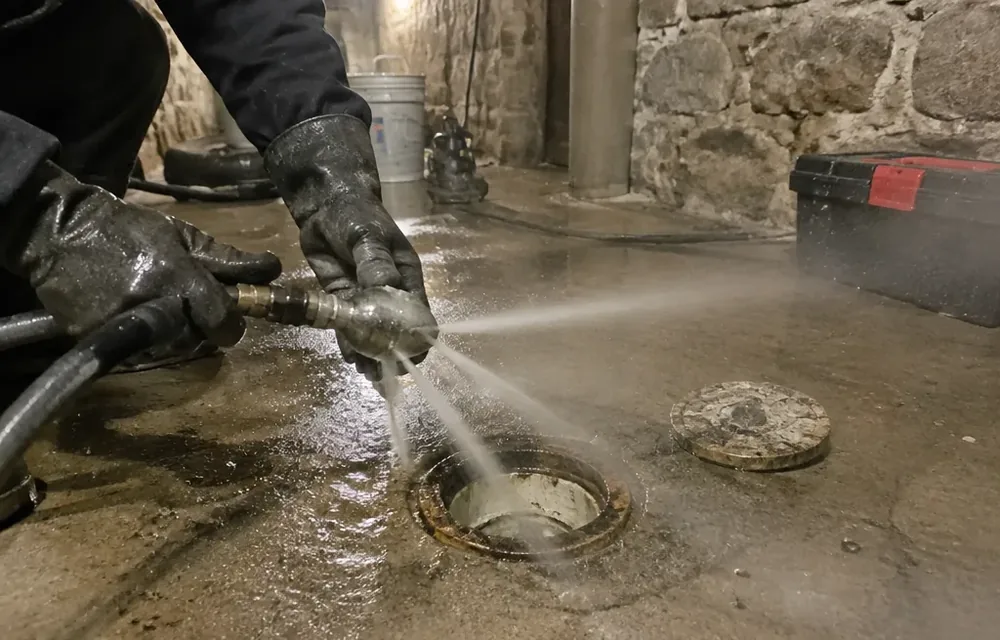
Hydro Jetting
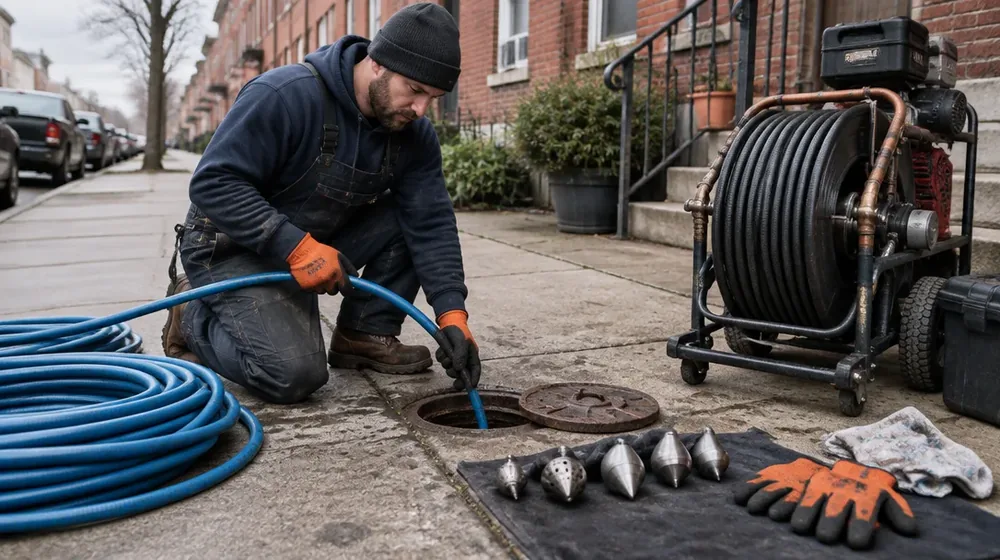
A cable bores a hole through the clog.
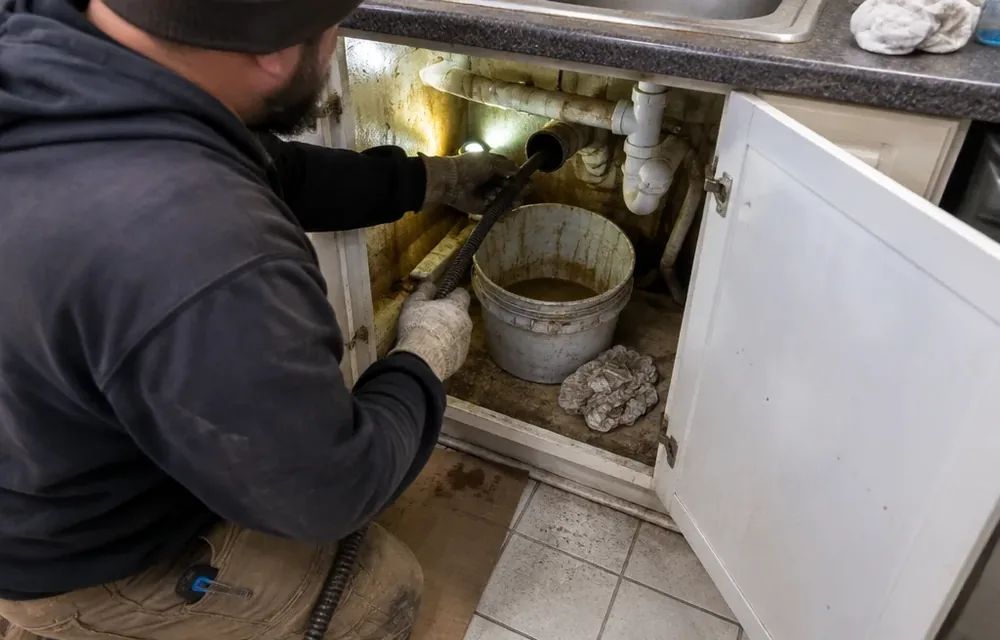
Drain Cleaning
A single slow sink is a nuisance.
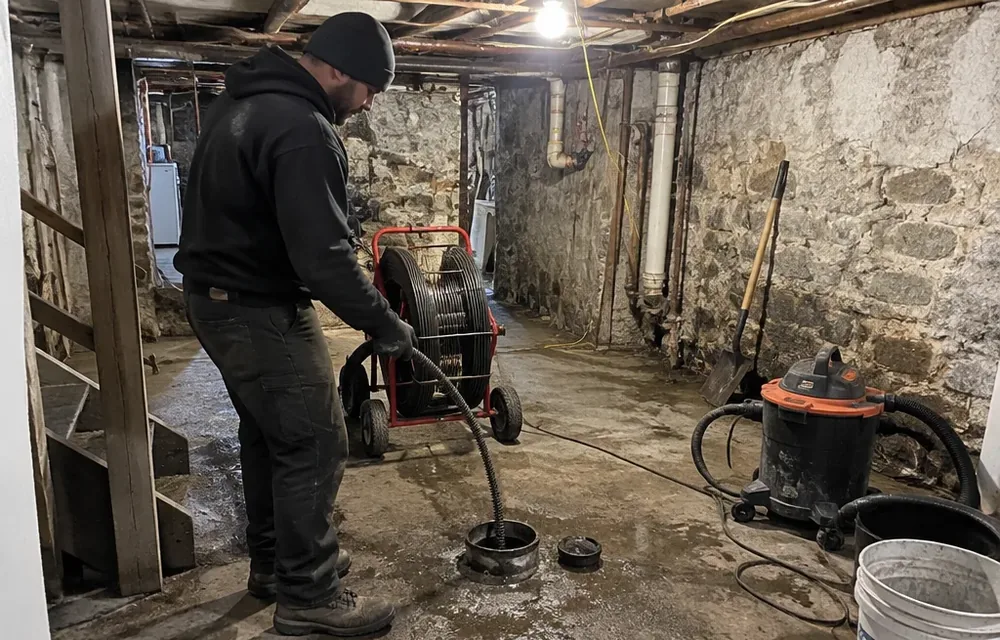
Main Sewer Line Cleaning
The lateral is the most expensive drain you own — a 60-to-100-foot clay run from your rowhouse to the street main, shared with stormwater, hunted by street-tree roots.
Free tools that help with this exact problem
Jetting vs snaking
Snaking costs less and jetting lasts longer, but that is not the real decision.
Clog diagnostic
The difference between a fixture clog and a main line failure is a factor of three in price and the difference between "book it next week" and "stop using water now".
More guides
Hydro Jetting vs Snaking: What Philly Homes Need
A cable bores a hole through the blockage so water moves again. A jetter scours the whole pipe wall back toward bare m…

Hydro Jetting Cost in Philadelphia: 2026 Guide
Most Philadelphia homeowners budget around national jetting ranges, then discover access, lateral length, and root cut…
Tree Roots in Philadelphia Sewer Lines Guide
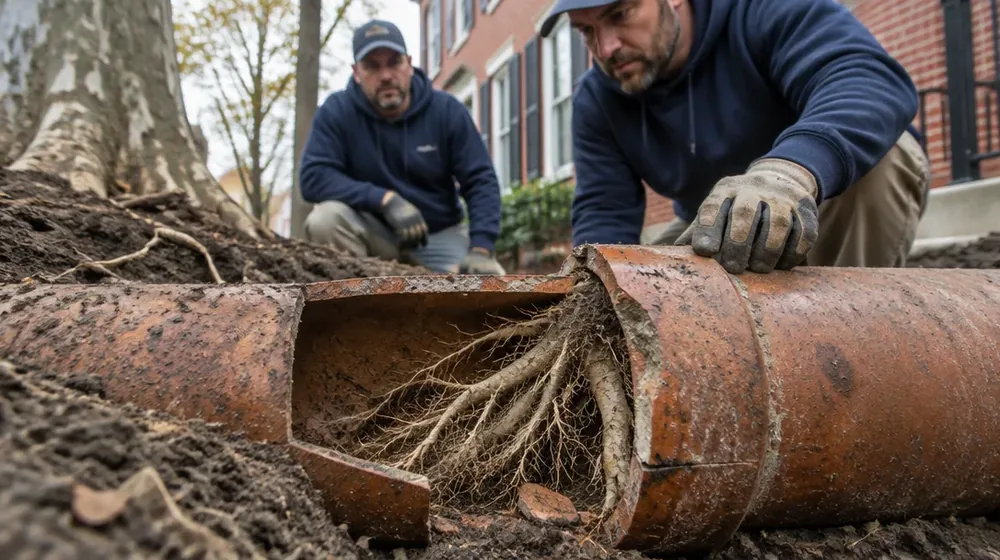
Roots do not break into sound pipe. They find the clay joint that is already leaking, thicken in the flow, and become …
Grease Lines: Philly Rowhouses & Restaurants
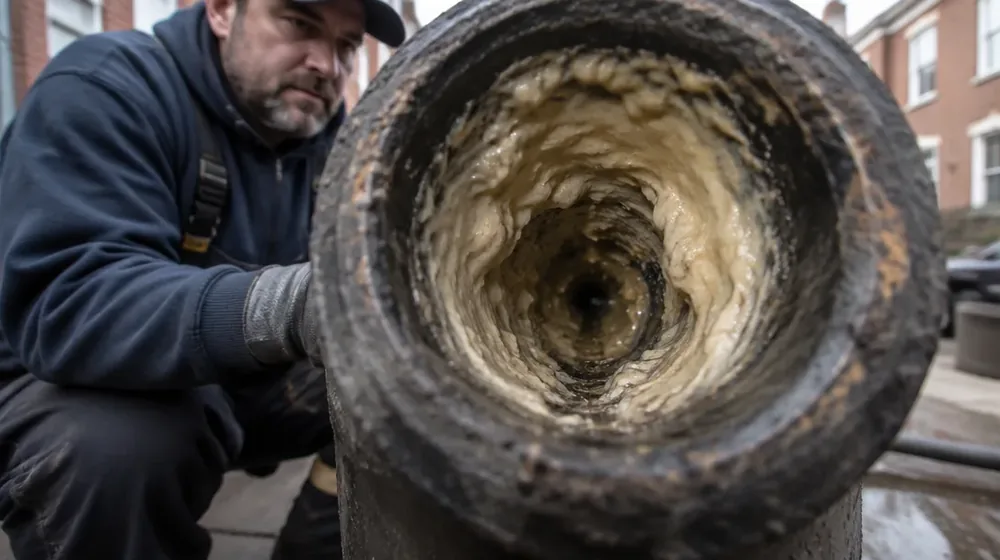
Grease goes down warm and liquid, meets cold iron, and becomes a wall coating rather than a plug. That is why the same…