Hydro Jetting in Ardmore, PA — Main Line Laterals Scoured Without Digging
Ardmore laterals run long — sixty to one hundred feet of ninety-year-old clay under Main Line lawns and specimen trees. Excavating that length through walls and plantings dwarfs trenchless options, which is why jetting plus lining wins here: scour the bore, seal every joint, disturb nothing.
- Ardmore
- Montgomery County
- 24/7 dispatch
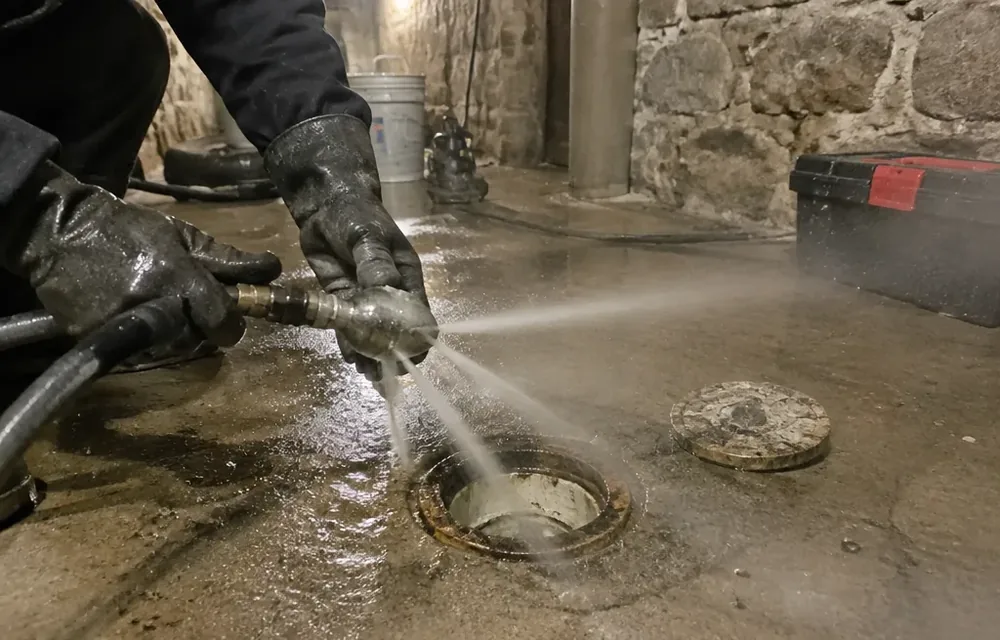
Hydro Jetting in Ardmore
Why hydro jetting matters in Ardmore
The 1900–1930 stone colonials, Dutch colonials, and twins of South Ardmore, Ardmore Park, and Merion sit on deep lots under a commanding oak and beech canopy, with vitrified clay tile laterals now ninety-plus years old and cast iron stacks inside. Camera runs routinely show intrusion at four or more joints along a single long run — roots at every hub from Lancaster Avenue to Haverford Road — while the 1920s colonial iron scales shut along the invert at the same time. Whole-house slow drainage that returns weeks after cabling is textbook invert corrosion, and each clearing thins the wall further.
Length plus surface value makes the economics unmistakable. Flagstone walks, fieldstone walls, and mature specimen plantings are standard on Ardmore lots, and restoring them after open trench frequently costs more than the pipe work itself. Montgomery County Main Line laterals like these are why trenchless sequencing exists: high-pressure jetting with cutting then scouring heads restores the bore through two small pits worth of access, and the marked footage aims a full-run lining that seals every joint without crossing the grounds. Excavation stays the backup plan, not the default.
What a jetting visit looks like in Ardmore
Preservation governs the visit. Hose routes are planned around plantings, walls, and walks before equipment moves; interior staging through finished basements gets full protection; and the camera maps the entire long run first — every intruded hub, the iron wall condition, and grade throughout. Deep setbacks mean longer jetting passes and more verification time, but the alternative is trench across grounds that cost dearly to restore, so the crew spends the time pressure deserves.
Nozzle work follows the footage: chain cutters for the multi-joint root masses, scouring heads for plated scale, conservative pressure wherever the iron grades thin. The closing pass shows the full length cleaned with footage marks joint by joint — the document the lining plan is written from. Where restoration arithmetic already favors trenchless, the visit ends with that lining scope itemized separately, never blended into the cleaning figure.
What affects the price in Ardmore
Residential jetting in this market generally falls between $375 and $950, and Ardmore long-lateral work trends upper-middle: sixty-to-one-hundred-foot runs with four-plus intruded joints need more cutting and scouring passes than short tract lines. Good cleanouts and driveway staging moderate the figure; finished-basement routing, buried access, and protection time around high-value grounds add labor.
The comparison that matters is not visit-to-visit but method-to-method. Open excavation across Main Line grounds plus restoration routinely exceeds trenchless sequencing by multiples — which is why the jetting visit and any follow-on lining are scoped as separate, itemized numbers. After-hours premiums are stated by phone. Montgomery County owners should insist on the footage-marked record: it is what keeps the lining scope honest and the restoration budget untouched.
When jetting is the wrong answer in Ardmore
Thin iron is the main refusal: cast iron channeled past its wall along the invert is a lining-or-replacement candidate, and pressure against it risks turning maintenance into emergency. Sheared clay hubs, offset segments, and bellies ponding water under long lawns are structural refusals for the same reason — grade and wall failures that scouring cannot correct. Any Orangeburg on 1940s–1950s brick infill gets the same refusal.
The subtler wrong answer is jetting without the lining decision. Scouring a long multi-joint clay run and then declining to seal the joints schedules the roots return visit — the bore restored, the entries open. Camera first, scour the sound, line the leaky full-run while the specimen trees stand, and reserve excavation for the failures trenchless cannot carry.
Hydro Jetting in Ardmore: questions
How much does hydro jetting cost in Ardmore?
Residential visits typically fall between $375 and $950. Long Main Line laterals with multi-joint roots trend upper-middle; good access moderates the figure. Follow-on lining is scoped separately — the honest comparison is against excavation plus grounds restoration, which routinely costs multiples more.
Why is trenchless better for my stone colonial lateral?
Because the grounds are worth more than the trench. Long runs under flagstone, fieldstone walls, and specimen plantings make open excavation plus restoration the most expensive option. Jetting plus lining seals the whole run from small pits — the pipe renewed, the grounds untouched.
Will jetting damage my 1920s cast iron stacks?
On sound iron at correctly matched pressure, no — but thin channeled iron must be found on camera first and excluded. The inspection grades wall loss before any nozzle decision, and iron past its wall goes to lining or replacement instead of pressure.
How do I stop roots returning to every joint?
Seal the joints. Jetting removes the masses thoroughly but leaves the clay hubs open, so regrowth is expected. Full-run lining after the scour closes every entry at once while the oaks and beeches stand — the sequence that ends the cycle on long Ardmore runs.
Related services in Ardmore
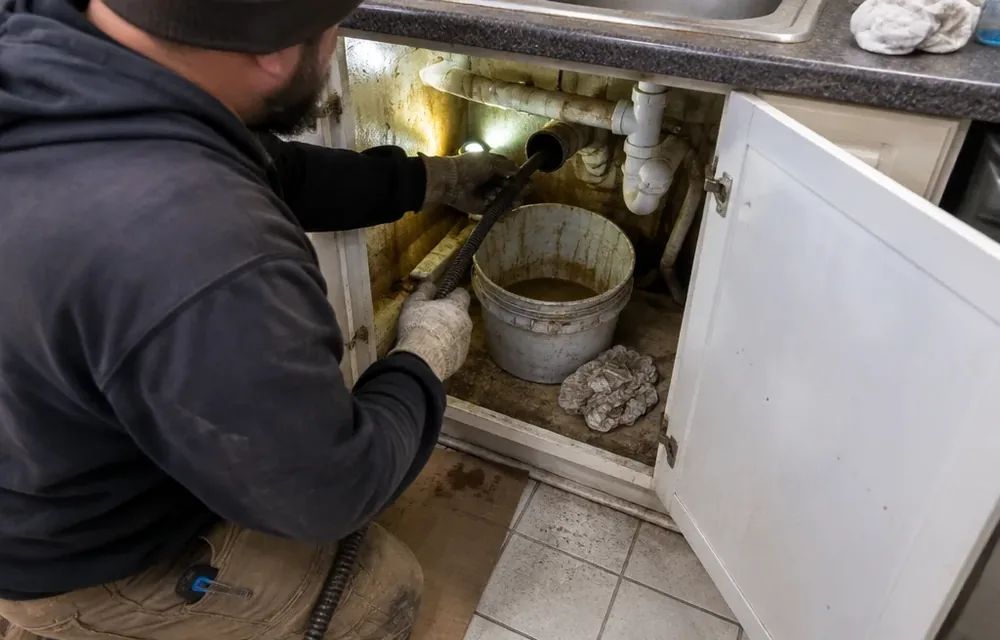
Drain Cleaning
A single slow sink is a nuisance.
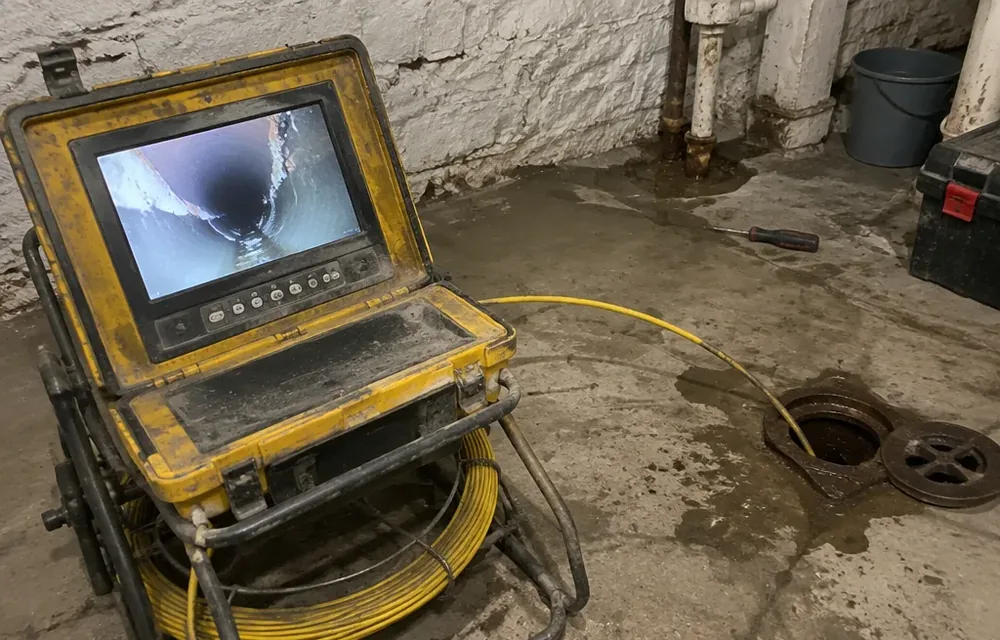
Sewer Camera Inspection
Every expensive sewer decision in Philadelphia — jet, repair, line, replace — depends on one thing: what the pipe actually looks like inside.
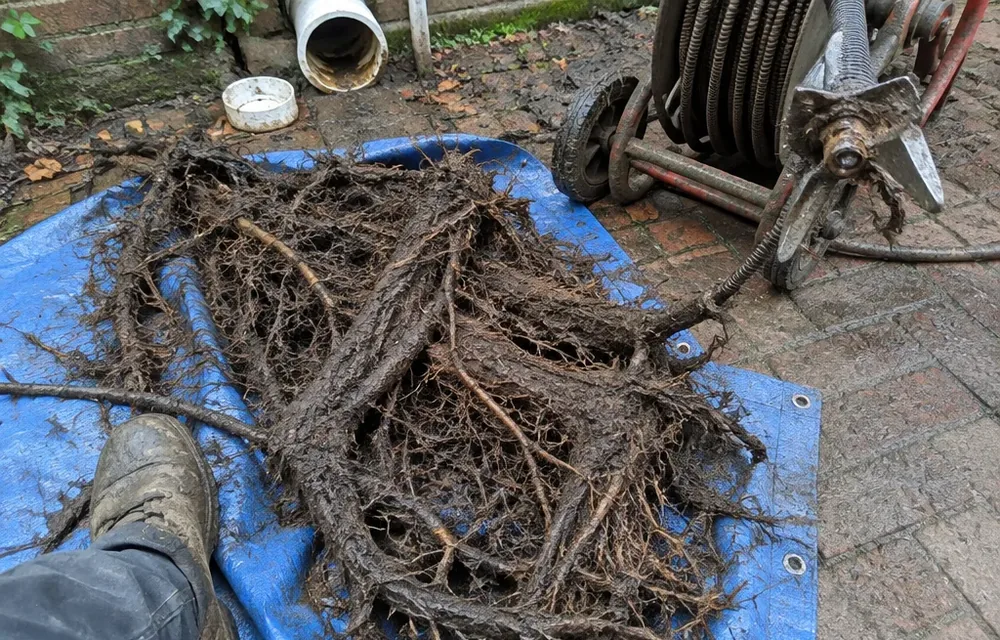
Rooter Service
Roots do not break your pipe to get in.