Hydro Jetting in Abington, PA — Clay Roots & Cast Iron Scale, Scoured Out
Abington Township splits by era: pre-war clay tile under a towering oak canopy, and postwar tracts squarely in the Orangeburg window. Jetting is the right answer for the first group and a dangerous one for the second — which is why every visit here starts with a camera, not a nozzle.
- Abington
- Montgomery County
- 24/7 dispatch
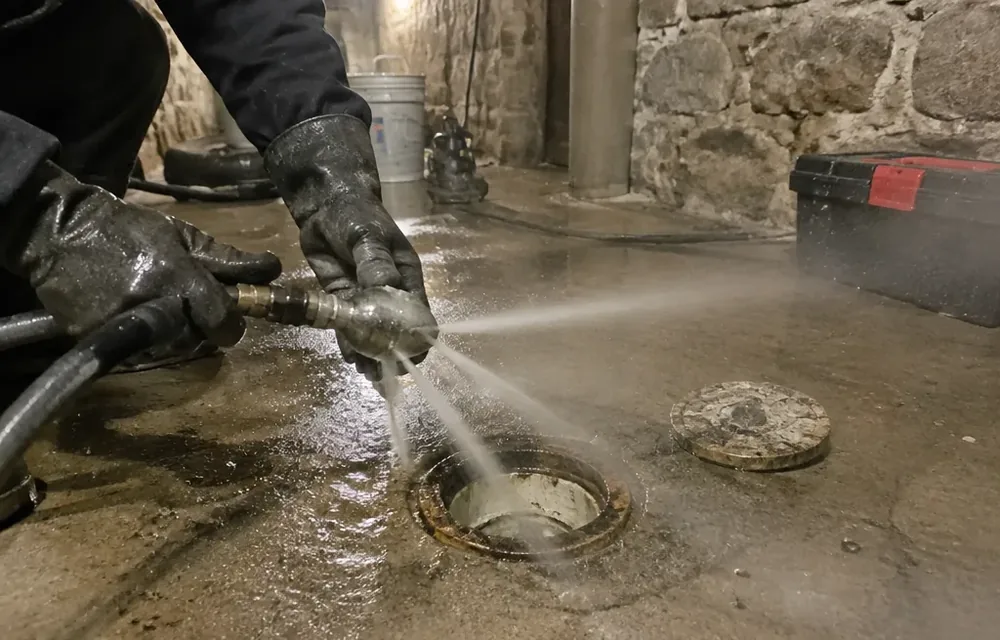
Hydro Jetting in Abington
Why hydro jetting matters in Abington
The interwar streets of Glenside, Abington proper, Ardsley, and Rydal carry 1920s–1930s clay tile laterals beneath some of the heaviest mature oak and maple cover in Montgomery County. Root intrusion here is chronic and multi-joint — three, four, five entries on a single run — and the cast iron interior drains in most homes built before 1975 scale shut along the invert at the same time. Abington clay-loam holds winter water against foundations, so infiltration silt joins the composite, and laterals running half full of groundwater have no headroom left when household flow arrives.
Isolated spot repairs fail in rotation on lines like these while neighboring joints keep growing, and cabling gives briefer relief each visit as the scaled bore narrows. High-pressure jetting with root-cutting followed by scouring heads removes the full-circumference coating — root hair, grease, grit, tuberculation — and flushes it toward the main. For sound clay under a canopy that stays, a full-run scour plus a lining plan for the marked joints is the durable sequence; the jetting restores the bore and the camera record aims the permanent fix.
What a jetting visit looks like in Abington
Build year decides the opening move. On pre-1945 Colonials, Capes, and twins, the crew stages from a basement or exterior cleanout and cameras the full run first, mapping every intruded hub under the canopy. On 1945–1960 ranches and splits toward Rydal, Meadowbrook, and the Willow Grove line, the camera is looking for a different thing first: Orangeburg fiber pipe, which blisters and ovals in Montgomery County wet clay-loam and generally cannot accept a liner or pressure. Finding it stops the jetting plan cold and converts the visit into replacement scoping.
Where the host pipe proves sound, jetting runs in passes from the far end back at pressure matched to the material — conservative on old cast iron, full working pressure on sound clay. Sump basins cycling hard in finished basements from Noble to Crestmont get noted, because infiltration load shapes the maintenance advice. The closing footage shows cleaned wall joint by joint, and the marked hubs become the punch list for any lining discussion — no guesswork, no pressure sold against a pipe that needed construction.
What affects the price in Abington
Residential jetting in this market usually falls between $375 and $950. In Abington, the spread tracks material and canopy: a sound pre-war clay lateral with multi-joint roots needs cutting plus scouring passes and lands higher than a single soft clog, while long runs under deep setbacks add hose time. Reachable cleanouts hold the figure down; finished-basement staging and buried access add labor first.
The biggest price event is the Orangeburg discovery. A 1950s Abington ranch whose camera shows deformed fiber pipe is not a jetting job at any figure — it is a replacement budget, often with five-figure weight in a purchase negotiation, which is why camera inspection before buying in Ardsley or Roslyn carries outsized value. Montgomery County homeowners should treat after-hours premiums as stated-by-phone and separate from any follow-on lining or replacement scope.
When jetting is the wrong answer in Abington
Orangeburg is the headline refusal: blistered, delaminated, or oval fiber pipe from the 1945–1960 tracts cannot be jetted safely and generally cannot be lined either, because a liner needs a round host. Pressure against it risks collapse, and the honest scope is replacement. The same refusal covers badly corroded cast iron channeled thin, clay segments offset by settlement, and bellies ponding water — shape and wall failures that cleaning cannot correct.
January backups deserve a second look before anyone sells a cleaning contract. When Abington clay-loam infiltration fills the lateral for months, the failure is capacity, not coating — and jetting silt without sealing the admitting joints buys one season at most. Camera first, then match the spend to the finding: scour the coatable, line the sound-but-leaky, replace the failed.
Hydro Jetting in Abington: questions
How much does hydro jetting cost in Abington?
Most residential visits fall between $375 and $950. Multi-joint root loading under the mature canopy and long runs push upward; straightforward soft clogs with good access land lower. If the camera finds Orangeburg, the conversation changes from cleaning to replacement budgeting.
Can you jet my 1950s Abington ranch lateral?
Only if the camera clears it. Tracts from roughly 1945 to 1960 can carry Orangeburg fiber pipe that pressure will damage, and it generally cannot be lined either. The inspection must identify the actual pipe wall first — that single finding decides between a cleaning visit and a replacement plan.
Why do spot repairs keep failing on my Glenside line?
Because intrusion is multi-joint. Sealing or cutting one hub leaves the neighboring clay joints — same age, same maples — growing untouched. Full-run camera mapping followed by scouring and then sealing every joint at once is the sequence that ends the rotation.
Will jetting stop my winter backups?
If the cause is buildup, yes for seasons at a time. If the cause is infiltration through open clay joints in Abington clay-loam, jetting clears silt but the groundwater returns with the next wet spell. Rain-timed backups point to sealing; usage-timed backups point to scouring.
Related services in Abington
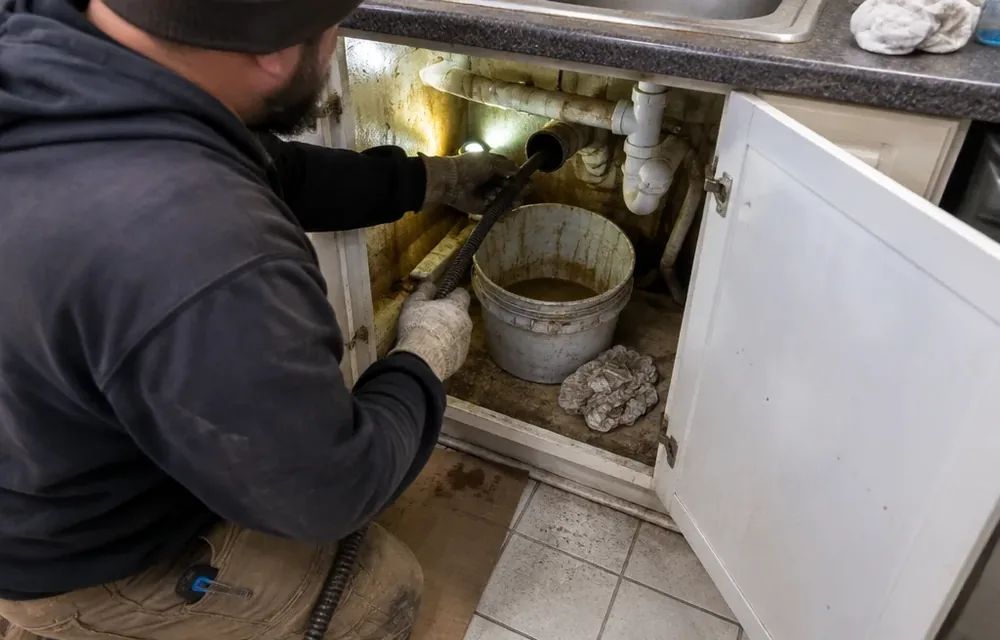
Drain Cleaning
A single slow sink is a nuisance.
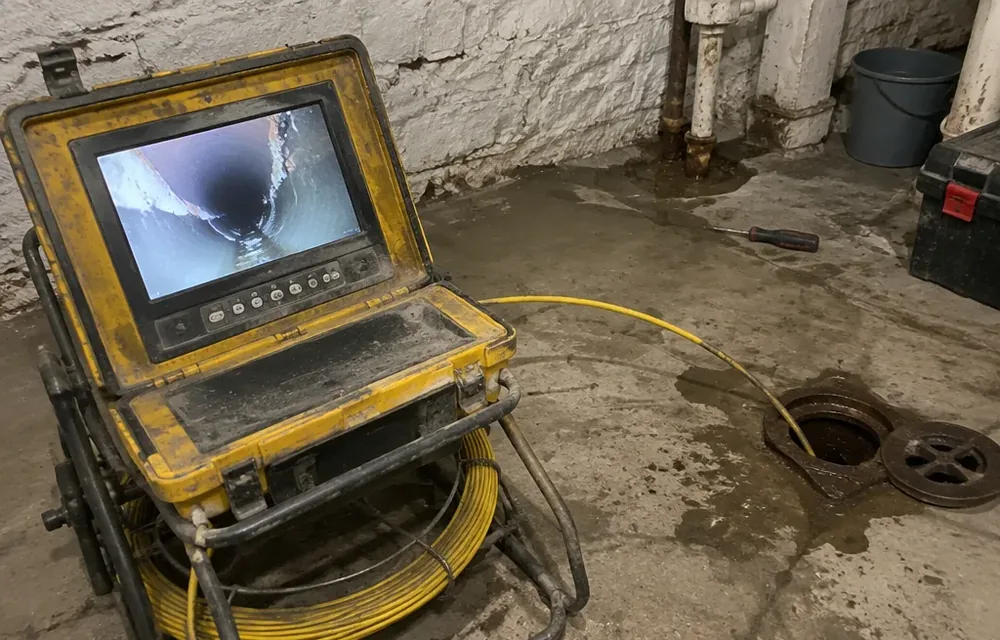
Sewer Camera Inspection
Every expensive sewer decision in Philadelphia — jet, repair, line, replace — depends on one thing: what the pipe actually looks like inside.
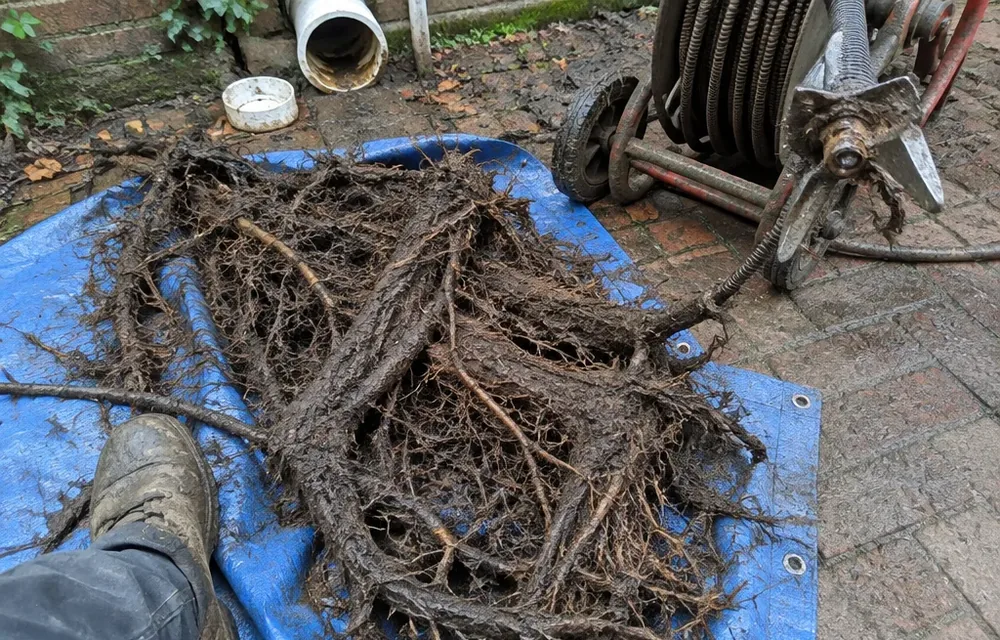
Rooter Service
Roots do not break your pipe to get in.