Hydro Jetting in Upper Darby, PA — Rowhouse Clay & Cast Iron, Scoured Clean
Upper Darby packs more 1920s–1940s brick rowhouses per block than anywhere else in Delaware County, and their clay tile laterals fail in whole-block patterns. When cabling buys shorter relief every visit, high-pressure jetting strips the wall coating — roots, scale, winter silt — that the cable keeps boring through.
- Upper Darby
- Delaware County
- 24/7 dispatch
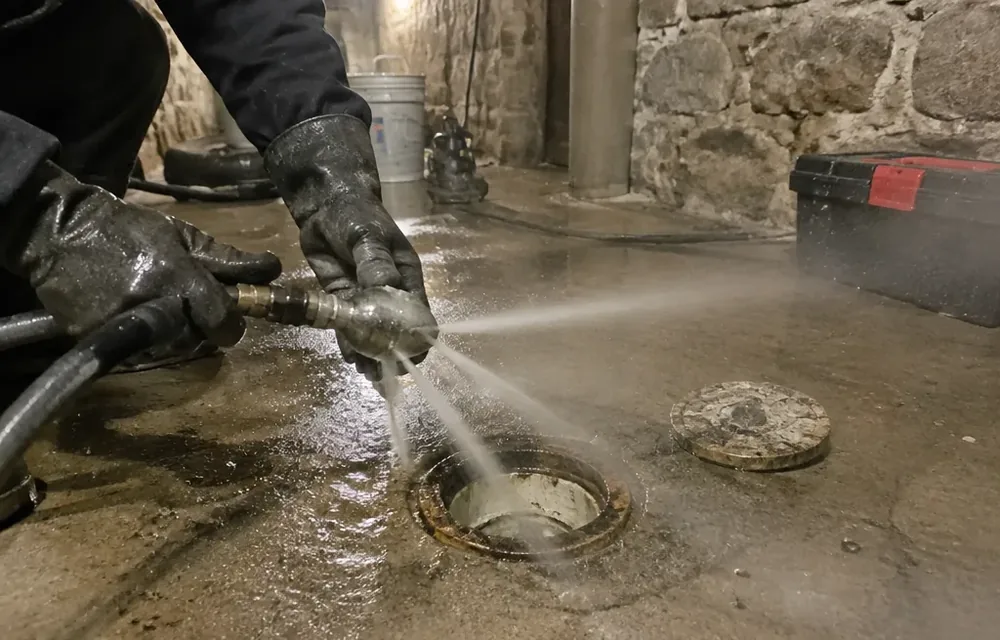
Hydro Jetting in Upper Darby
Why hydro jetting matters in Upper Darby
The housing around 69th Street, Terminal Square, Drexel Hill, Highland Park, and Stonehurst went up fast in the 1920s and 1930s with vitrified clay tile laterals in short mortared segments, and the street maples and oaks above them are now fully mature. Roots enter at one joint and travel the line, so a single clearing opens a path while the next joint keeps growing. Inside, cast iron soil lines now eighty-plus years old corrode along the invert into a rough scaled bore that catches paper and grease. Delaware County clay soils around Cobbs Creek and the Darby Creek watershed drain slowly, so winter groundwater sits against foundations and enters laterals through the same cracked joints roots use.
That combination — multi-joint root intrusion, scaled cast iron, and seasonal infiltration silt — is exactly what jetting is built for and exactly what cabling cannot fix. A cable bores a discrete hole through a full-circumference coating; the coating stays and the clog rebuilds. Upper Darby rowhouses cleared twice in eighteen months are not developing new clogs — they are re-growing the same restriction on a wall that was never cleaned. Jetting with a root-cutting head followed by a scouring pass removes the mass and flushes it toward the main instead of leaving debris to re-lodge downstream.
What a jetting visit looks like in Upper Darby
Shared walls set the terms. Upper Darby rowhouses offer limited access between adjoining homes, so the crew typically stages from a basement cleanout and protects the path through tight stairwells and finished lower levels before any hose moves. Parking along the dense corridors near 69th Street and Garrett Road decides rig placement, and hose runs are planned so nothing crosses a neighboring property. The visit opens with a full-run camera inspection — more important here than anywhere else in Delaware County, because a second excavation between shared walls costs dearly and the footage must rule out collapse, offsets, or Orangeburg on late-1940s construction before pressure is applied.
Jetting runs in passes matched to what the camera found: chain or root-cutting nozzles for intruded clay hubs, flat-surface heads for grease-plated cast iron, conservative pressure on thin old iron. A camera pass afterward shows the cleaned wall joint by joint, and the footage marks become the maintenance record — the specific hubs the roots favor, so the next visit starts from knowledge rather than from scratch.
What affects the price in Upper Darby
Residential jetting in this market generally falls between $375 and $950, and Upper Darby work usually lands mid-band. Laterals here are short — a cost advantage against long-suburb runs — but tight shared-wall access and basement staging add labor that offsets it. A reachable cleanout holds the figure down; reaching a line with no cleanout through a finished basement adds the access work first. Multi-joint root loading that needs both a cutting pass and a scouring pass takes longer than a single soft grease clog.
Severity and timing are the remaining drivers. Whole-house slow drainage from scaled cast iron takes more passes than a localized kitchen restriction, and after-hours dispatch carries a premium that is stated on the phone before anyone rolls. Delaware County homeowners should treat any figure given without a camera look as provisional — pressure without inspection is a gamble, and the inspection is what turns a range into a plan. Follow-on lining or repair, where the footage calls for it, is priced as its own job.
When jetting is the wrong answer in Upper Darby
Some Upper Darby lines should never see pressure. Small pockets of late-1940s to early-1950s construction carry Orangeburg fiber pipe that blisters and deforms with age; jetting it can turn a maintenance call into a collapse. Cast iron stacks worn thin along the invert, clay segments sheared at the hub by a century of settlement, and bellies that pond water are refusals for the same reason — the pipe is broken or sagging, and no amount of cleaning corrects grade or missing wall.
Winter backups deserve special honesty here. When Delaware County clay holds the water table high and the lateral runs half full of infiltration, the line has no headroom left for household flow — an infiltration-capacity failure, not a discrete clog. Jetting removes silt but cannot seal the joints admitting groundwater; that takes lining or repair. Get the camera diagnosis first, and spend the jetting money where the footage shows a coatable wall rather than a failed pipe.
Hydro Jetting in Upper Darby: questions
How much does hydro jetting cost in Upper Darby?
Most residential visits fall between $375 and $950. Short rowhouse laterals help, while tight shared-wall access, missing cleanouts, and multi-joint root loading push the other way. The camera inspection comes first and sets the actual scope before any pressure is applied.
Why does my Upper Darby line clog again weeks after snaking?
Because the wall coating stays. Scaled cast iron plus root hair at several clay joints means the cable bores a channel through a restriction that immediately starts rebuilding. Recurrence inside weeks is the signature that the line needs scouring, not another hole punched through the same mass.
Can jetting fix a line that backs up every winter?
Only if the cause is silt and buildup. Many Upper Darby winter backups are infiltration-capacity failures — groundwater entering cracked clay joints until the line runs half full before any fixture is used. Jetting clears the silt; sealing the joints by lining stops the water entry. The camera tells the two apart.
Is jetting safe on 1930s clay and cast iron?
On sound pipe at correctly matched pressure, yes — with the camera clearance first. The inspection must rule out Orangeburg, thin channeled iron, sheared hubs, and bellies. Where the host pipe is sound, jetting is the standard municipal method scaled to a house lateral, and the after-footage proves the result.
Related services in Upper Darby
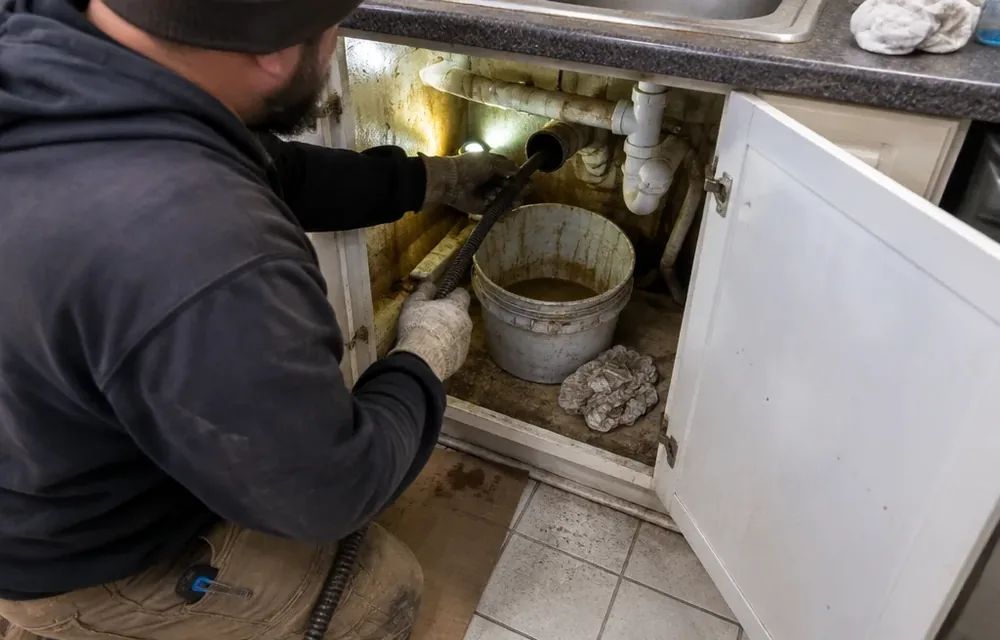
Drain Cleaning
A single slow sink is a nuisance.
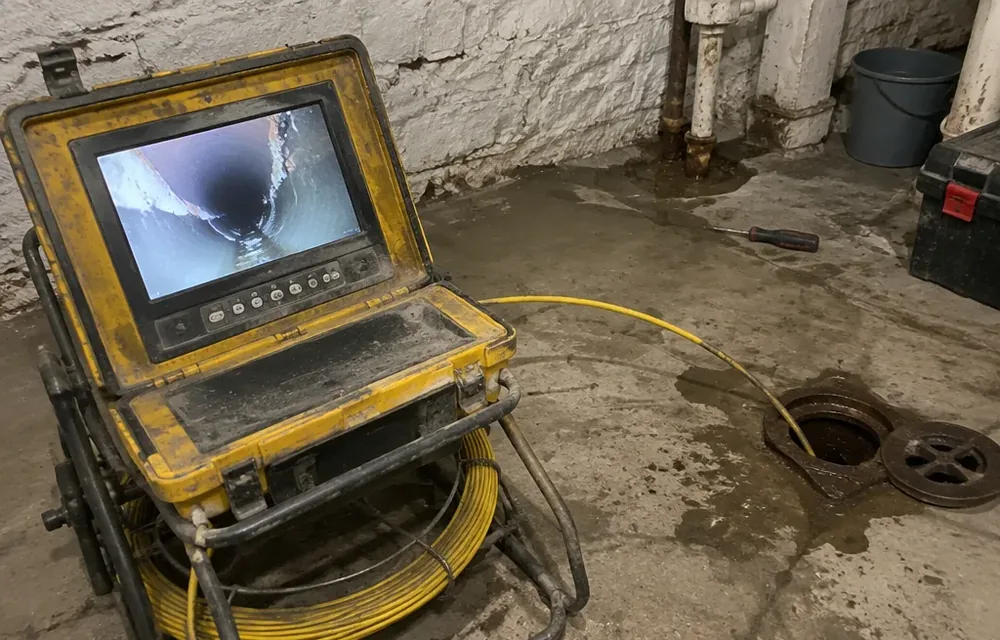
Sewer Camera Inspection
Every expensive sewer decision in Philadelphia — jet, repair, line, replace — depends on one thing: what the pipe actually looks like inside.
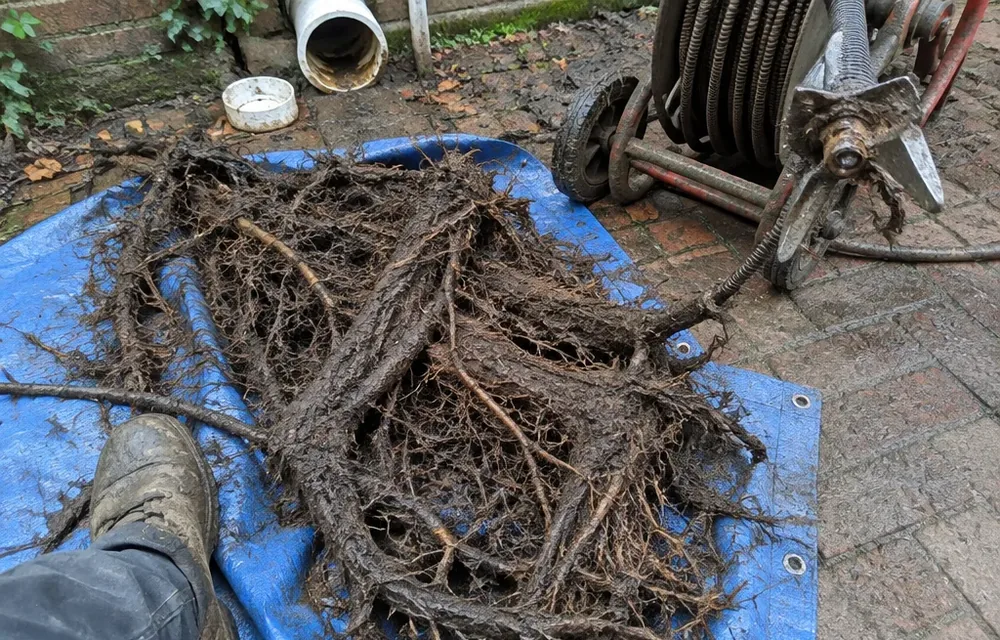
Rooter Service
Roots do not break your pipe to get in.