Hydro Jetting in Norristown, PA — River-Town Clay, Silt & Scale Cleared
Norristown drains read like its mill history: deep clay tile laterals, old cast iron inside, and Schuylkill Valley groundwater pressing in all winter. Jetting earns its keep here by scouring the silt, root hair, and invert scale that cables poke through — provided a camera first proves the pipe can take pressure.
- Norristown
- Montgomery County
- 24/7 dispatch
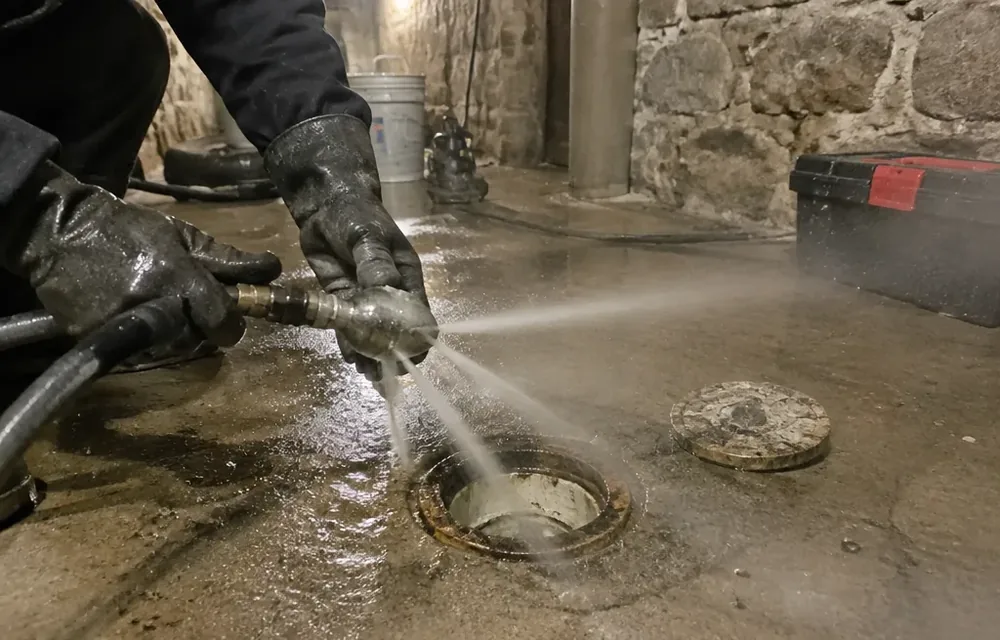
Hydro Jetting in Norristown
Why hydro jetting matters in Norristown
The 1880s–1930s twins, rowhouses, and worker cottages of the downtown grid, North End, and South End sit on vitrified clay tile laterals with cast iron soil lines inside, and low ground toward the Schuylkill — the South End, Barbadoes and Chain Streets, the riverfront wards — holds the winter water table near lateral depth. Groundwater pours through cracked clay joints and open hubs, carrying fine silt that settles wherever the old line bellies or flattens. Inside, seventy-year-old cast iron scales shut along the invert. Former mill blocks off Marshall Street and the Stony Creek bottom add deep runs through old fill that has settled unevenly for a century, ponding solids at each sag.
That layered buildup — infiltration silt over root hair over tuberculated scale — shrugs off cables. A cutter head bores through and the silt slumps back within weeks; whole-house slow drainage returns on the same schedule. Montgomery County river-town lines like these are the textbook jetting case: backward-facing jets strip the wall while dragging the hose uphill through deep runs, and the forward jet cuts the compacted obstruction the cable merely tunneled. Backups that arrive with sustained rain rather than with fixture use are the signature that the wall, not a single clog, is the problem.
What a jetting visit looks like in Norristown
Depth and stone set the terms. Norristown laterals around the old mill corridors run deeper than suburb tracts, often through fill and cinder ground, and twins with stone foundations routinely tie floor drains and foundation seep toward the sanitary lateral. The crew stages from the lowest reachable cleanout, protects the basement work area, and runs the camera with grade readings first — because a belly that ponds water cannot be corrected by lining or jetting, and pressure must never be applied to a line whose grade failure is structural. Access along the tight downtown grid and riverfront streets decides rig placement before work starts.
Jetting proceeds in passes from the far end back, flushing silt and cut root mass toward the main rather than packing it into a sag. Cast iron sections get conservative pressure matched to wall condition; sound clay gets what the buildup requires. The closing camera pass is the deliverable: cleaned wall, marked joints, and grade readings that separate a maintainable line from one needing open re-grading. Where stone-foundation seep overloads the lateral, the visit ends with that finding stated plainly, because no cleaning schedule fixes water that should never enter the sanitary line.
What affects the price in Norristown
Residential jetting in this market typically runs $375 to $950, and Norristown visits trend with depth and severity. Deep mill-era runs take longer to jet and verify than shallow tract laterals, and lines carrying both silt and scale need multiple nozzle passes — cutting heads for roots, scouring heads for the wall. A reachable cleanout near the problem holds the figure down; buried or missing access adds labor before cleaning begins.
Condition findings move the number most. A sound clay-and-iron line with heavy but cleanable buildup is a straightforward visit; a line where the camera finds offset hubs or a belly converts the job into diagnosis plus a repair scope, priced separately. Montgomery County homeowners should expect after-hours dispatch to carry a stated premium, disclosed by phone before the truck rolls. The camera-first rule is also a pricing protection: it stops anyone from selling pressure against a pipe that needs construction.
When jetting is the wrong answer in Norristown
Norristown has more disqualifiers per block than most suburbs, and the camera exists to find them. Scattered 1945–1960 infill can carry Orangeburg that pressure will destroy. Mill-corridor settlement breaks — sheared hubs, offset joints, bellies holding standing water — need open repair and re-grading, because a liner follows existing grade and jetting follows existing shape. Cast iron channeled thin along the invert is a replacement candidate, not a cleaning candidate.
Cross-flow from stone foundations is the subtler wrong answer. When foundation seep and floor-drain water route into the sanitary lateral, the line overloads in wet months no matter how clean the wall is. The fix is redirecting that water and sealing infiltration joints, not a maintenance jetting contract. Book the camera inspection, read the grade, and spend construction money on grade and wall — cleaning money on buildup.
Hydro Jetting in Norristown: questions
How much does hydro jetting cost in Norristown?
Residential visits generally fall between $375 and $950. Deeper mill-era runs, combined silt-and-scale loading, and missing cleanouts push toward the high end. The camera inspection with grade readings comes first and determines whether jetting or construction is the right spend.
My Norristown basement backs up when it rains — will jetting stop it?
Only if buildup is the cause. Rain-linked backups here are often infiltration-capacity failures: groundwater entering cracked clay joints until the line has no headroom. Jetting clears silt; lining or repair seals the entries. Rain-timed failure points to water entry, and the camera confirms it.
Is jetting safe on deep, century-old clay laterals?
On sound clay at matched pressure, yes — municipalities jet old mains routinely. The Norristown proviso is grade: settlement bellies and offset hubs in old fill must be found on camera first, because pressure cannot fix shape and can worsen a compromised joint. Sound pipe gets cleaned; failed pipe gets repaired.
Why does cabling only help my twin for a few weeks?
Because the restriction is the wall, not a lump. Scaled cast iron plus silted clay reforms the clog on the coating the cable left behind. Whole-house slow drainage that returns within weeks is the classic signal to stop buying clearings and pay once for scouring — then address whatever the after-footage shows.
Related services in Norristown
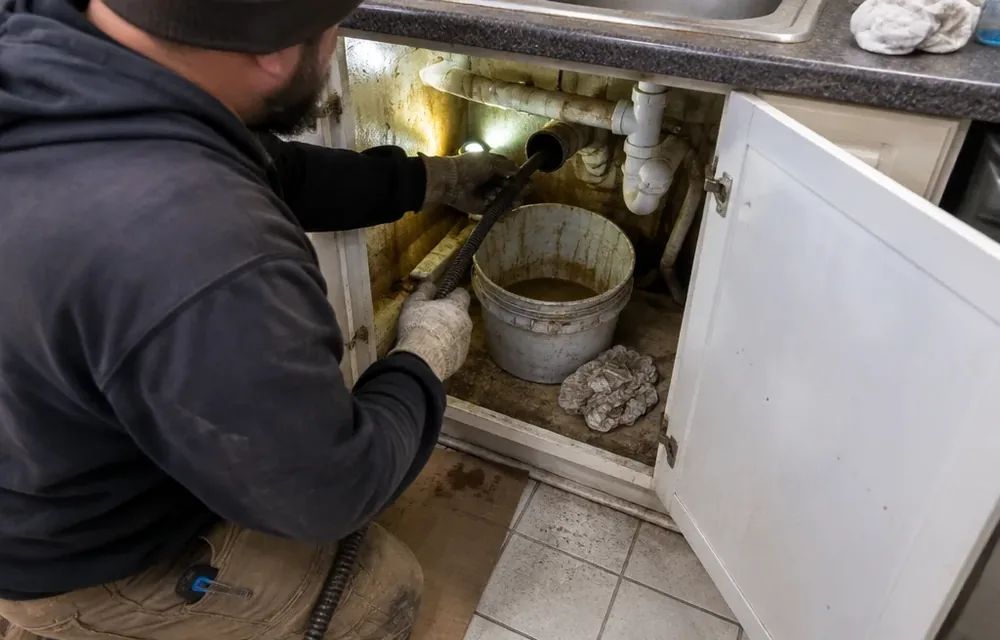
Drain Cleaning
A single slow sink is a nuisance.
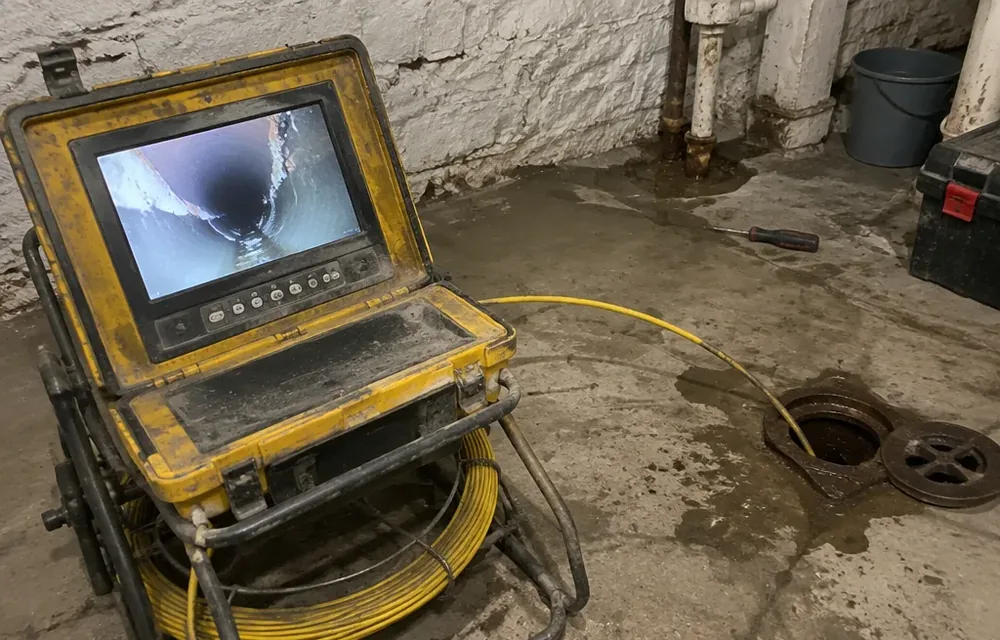
Sewer Camera Inspection
Every expensive sewer decision in Philadelphia — jet, repair, line, replace — depends on one thing: what the pipe actually looks like inside.
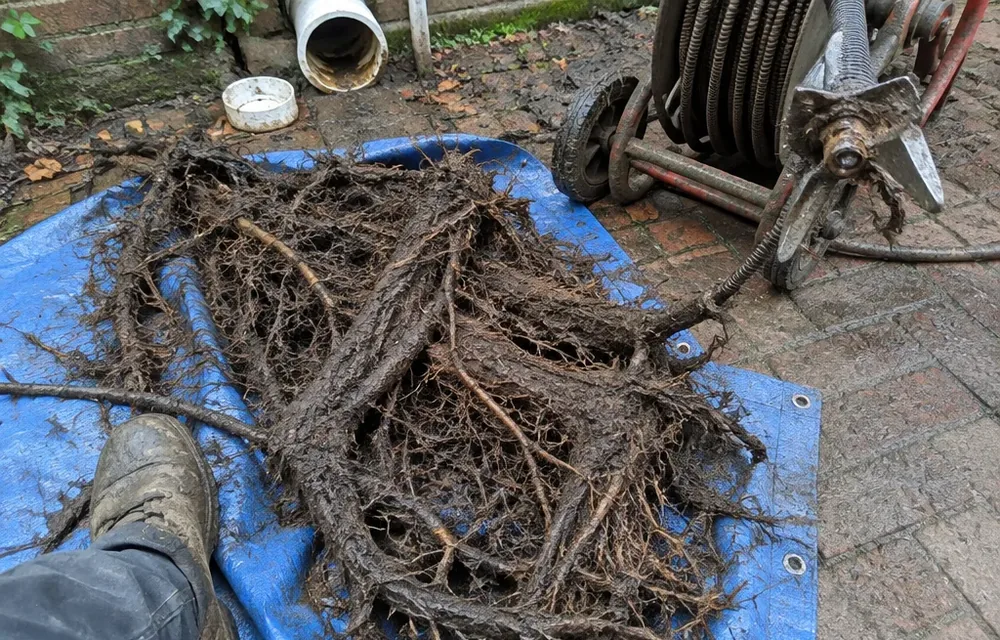
Rooter Service
Roots do not break your pipe to get in.