Hydro Jetting in Phoenixville, PA — Steel-Town Clay, Silt & Grease Cleared
Phoenixville rose around iron and steel at the meeting of the Schuylkill River and French Creek, and its drains still read like that history: mill rowhouses and worker twins on vitrified clay tile with cast iron inside, low streets that flood when both waterways run high, and a revived Bridge Street food corridor loading old small-diameter lines with grease. Jetting earns its keep in Phoenixville by scouring the silt, root hair, and plated grease that cables poke through — provided a camera first proves the pipe can take pressure.
- Phoenixville
- Chester County
- 24/7 dispatch
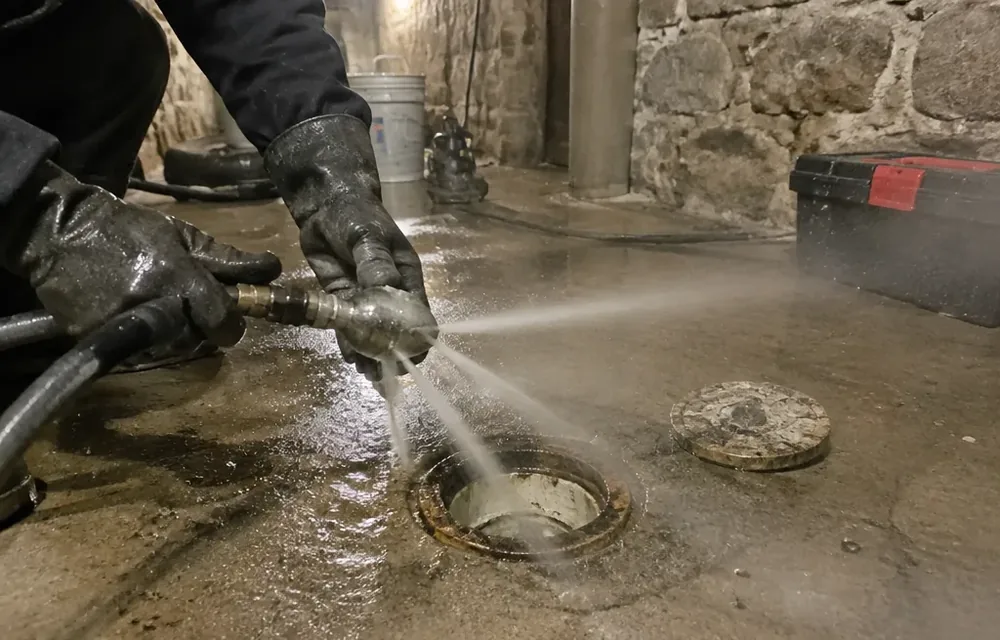
Hydro Jetting in Phoenixville
Why hydro jetting matters in Phoenixville
The 1880s–1930s mill rowhouses and worker twins along Bridge Street, Main Street, and Starr Street sit on vitrified clay tile laterals with cast iron soil lines inside, and low ground toward the Schuylkill River and French Creek holds the water table near lateral depth for months. Flood-season groundwater pours through cracked clay joints carrying fine silt that settles wherever the old line bellies, while mature maples and sycamores over Phoenixville streets colonize the same joints with roots. Chester County floodplain soils around the confluence settle unevenly, shearing hubs and ponding solids at each sag.
Then there is grease. Revived food blocks along Bridge Street put fats, oils, and grease into small-diameter old lines, where they plate onto already-scaled cast iron into a hard constriction that cabling bores through and that reseals within weeks. That composite — flood silt over root hair over grease-plated scale — is exactly what jetting is built for and exactly what cabling cannot fix. Phoenixville lines cleared twice in eighteen months are not developing new clogs; they are re-growing the same restriction on a wall that was never scoured, and each flood season re-packs it tighter.
What a jetting visit looks like in Phoenixville
Depth and water set the terms. Phoenixville laterals near the confluence run with infiltration load for months, so the camera read separates standing-water grade problems from cleanable coating before pressure is set. Mill-district twins stage from basement cleanouts through tight stairwells with full protection, while Bridge Street commercial laterals work from rear or alley access on hours that keep kitchens running. Floodplain blocks get grade readings on every pass, because a belly holding water cannot be corrected by jetting or lining and must be found before anyone promises a cleaning will hold.
Nozzle selection follows the footage: penetrating heads for compacted silt blockages, chain cutters for root and tuberculation, flat-surface heads for plated grease — each at pressure matched to the pipe the camera showed. Passes run from the far end back with debris flushed toward the main, and the closing footage shows the Phoenixville wall cleaned joint by joint with the marked hubs that decide any lining discussion. Where the run sits in the floodplain, the visit ends with the infiltration finding stated plainly, because no cleaning schedule fixes water that enters through open joints every high-water season.
What affects the price in Phoenixville
Residential jetting in this market typically runs $375 to $950, and Phoenixville visits trend with depth and loading. Mill-era runs carrying both flood silt and scale need multiple nozzle passes — cutting heads for roots, scouring heads for the wall — which takes longer than a single soft clog. A reachable cleanout holds the figure down; buried or missing access in a Phoenixville twin adds labor before cleaning begins. Commercial kitchen lines on Bridge Street price by length, diameter, and grease severity rather than by the house-visit pattern.
Condition findings move the number most. A sound clay-and-iron line with heavy but cleanable buildup is a straightforward visit; a line where the camera finds offset hubs or a floodplain belly converts the job into diagnosis plus a repair scope, priced separately. Chester County property owners should expect after-hours dispatch to carry a stated premium, disclosed by phone before the truck rolls. The camera-first rule is also a pricing protection: it stops anyone from selling pressure against a pipe that needs construction.
When jetting is the wrong answer in Phoenixville
Floodplain grade failures top the refusal list. Standing water in a sag on camera means the line needs open repair and re-grading; neither pressure nor a liner corrects slope, and Phoenixville confluence soils produce more bellies than most borough grids. Cast iron channeled thin along the invert, clay hubs sheared by settlement, and any Orangeburg on late-1940s infill are structural refusals for the same reason — pressure cannot rebuild wall or correct shape.
High-water infiltration is the subtler wrong answer. When the Schuylkill and French Creek hold the water table at lateral depth for months, the Phoenixville line overloads no matter how clean the wall is — a capacity failure, not a coating failure. The fix is sealing infiltration joints by lining sound clay or replacing failed sections, plus backwater protection for the lowest fixtures. Book the camera inspection, read the grade, and spend construction money on grade and wall — cleaning money on buildup.
Hydro Jetting in Phoenixville: questions
How much does hydro jetting cost in Phoenixville?
Residential visits generally fall between $375 and $950. Deeper mill-era runs, combined silt-and-scale loading, and missing cleanouts push toward the high end. The camera inspection with grade readings comes first and determines whether jetting or construction is the right spend.
My Phoenixville basement backs up when the rivers run high — will jetting stop it?
Only if buildup is the cause. High-water backups near the Schuylkill and French Creek confluence are often infiltration-capacity failures: groundwater entering cracked clay joints until the line has no headroom. Jetting clears silt; lining or repair seals the entries. High-water timing points to water entry, and the camera confirms it.
Is jetting safe on century-old Phoenixville mill-district clay?
On sound clay at matched pressure, yes — municipalities jet old mains routinely. The Phoenixville proviso is grade: floodplain settlement bellies and offset hubs must be found on camera first, because pressure cannot fix shape and can worsen a compromised joint. Sound pipe gets cleaned; failed pipe gets repaired.
Our Bridge Street kitchen keeps sealing with grease — what works?
Opening plus interval. The visit restores the bore with a grease scour; a quarterly or semi-annual jetting rhythm matched to fryer volume keeps it open. Cabling alone reseals within weeks on plated cast iron — the schedule, not the single visit, is the fix for a Phoenixville food-block line.
Related services in Phoenixville
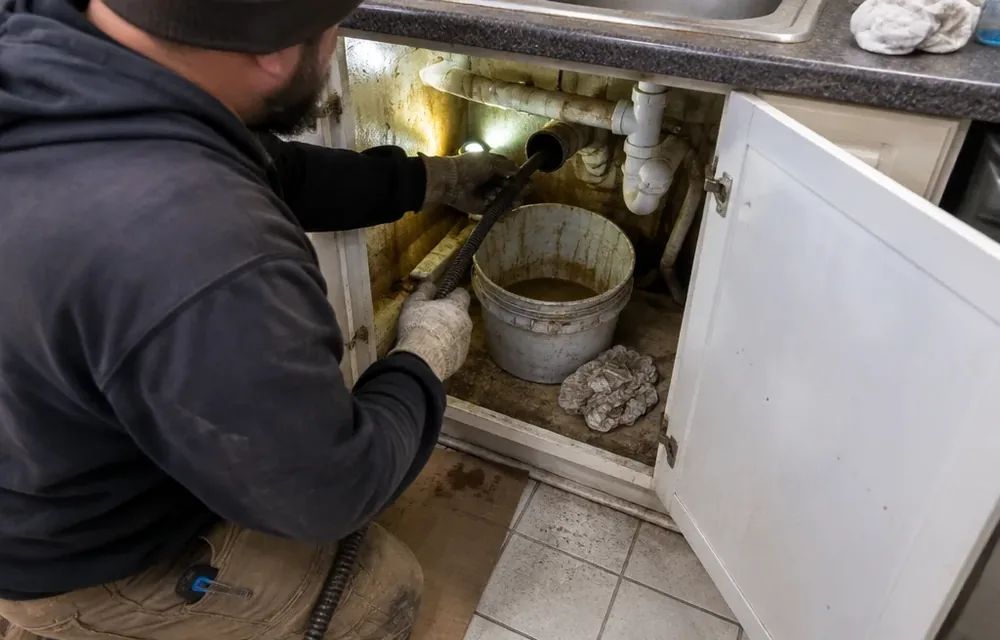
Drain Cleaning
A single slow sink is a nuisance.
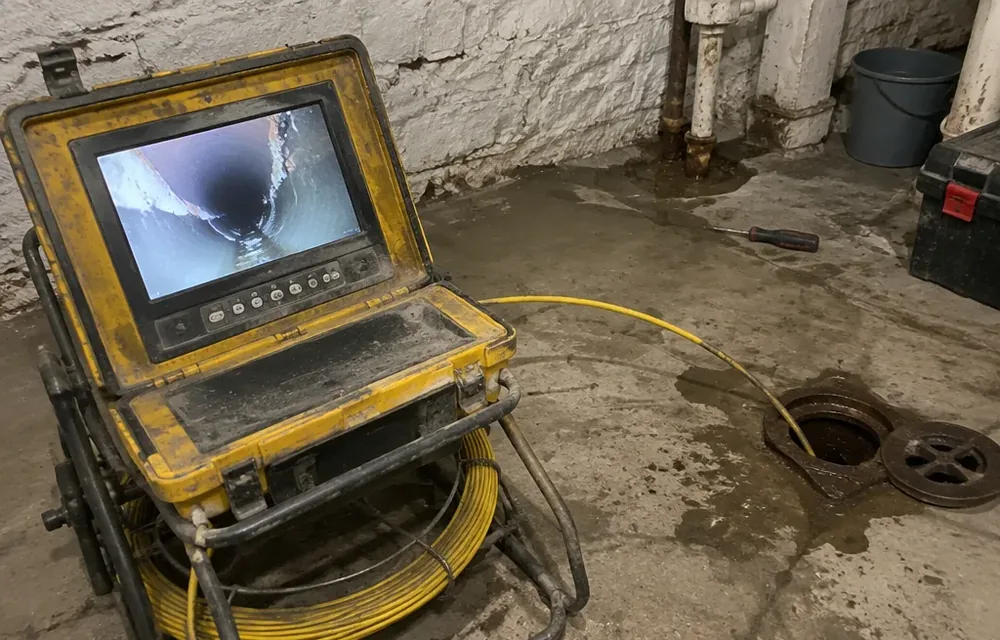
Sewer Camera Inspection
Every expensive sewer decision in Philadelphia — jet, repair, line, replace — depends on one thing: what the pipe actually looks like inside.
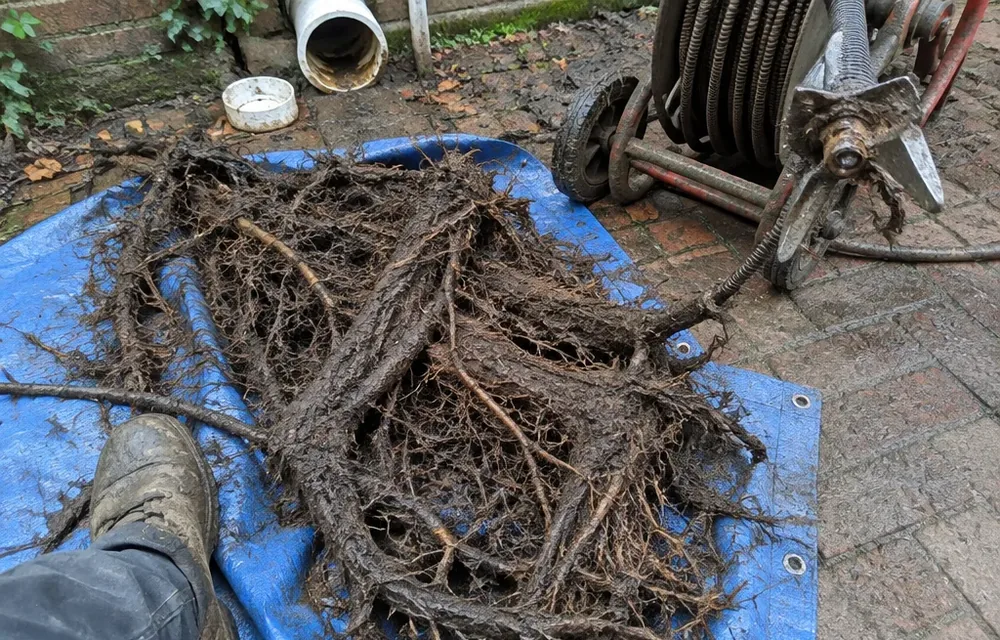
Rooter Service
Roots do not break your pipe to get in.